Trip Facts
Trip Code
Kailash Pilgrimage Tour
Duration
13 Days
Max. Altitude:
5670 m
Group size
2-30++
Best Time for Visit
Spring, Summer & Autumn
Activity
Tour
Meals
Breakfast,Lunch ,Dinner
DIFFICULTY
Moderate & Strenuous
LOCATION
Tibet/China
Trip Ends
Kathmandu,Nepal
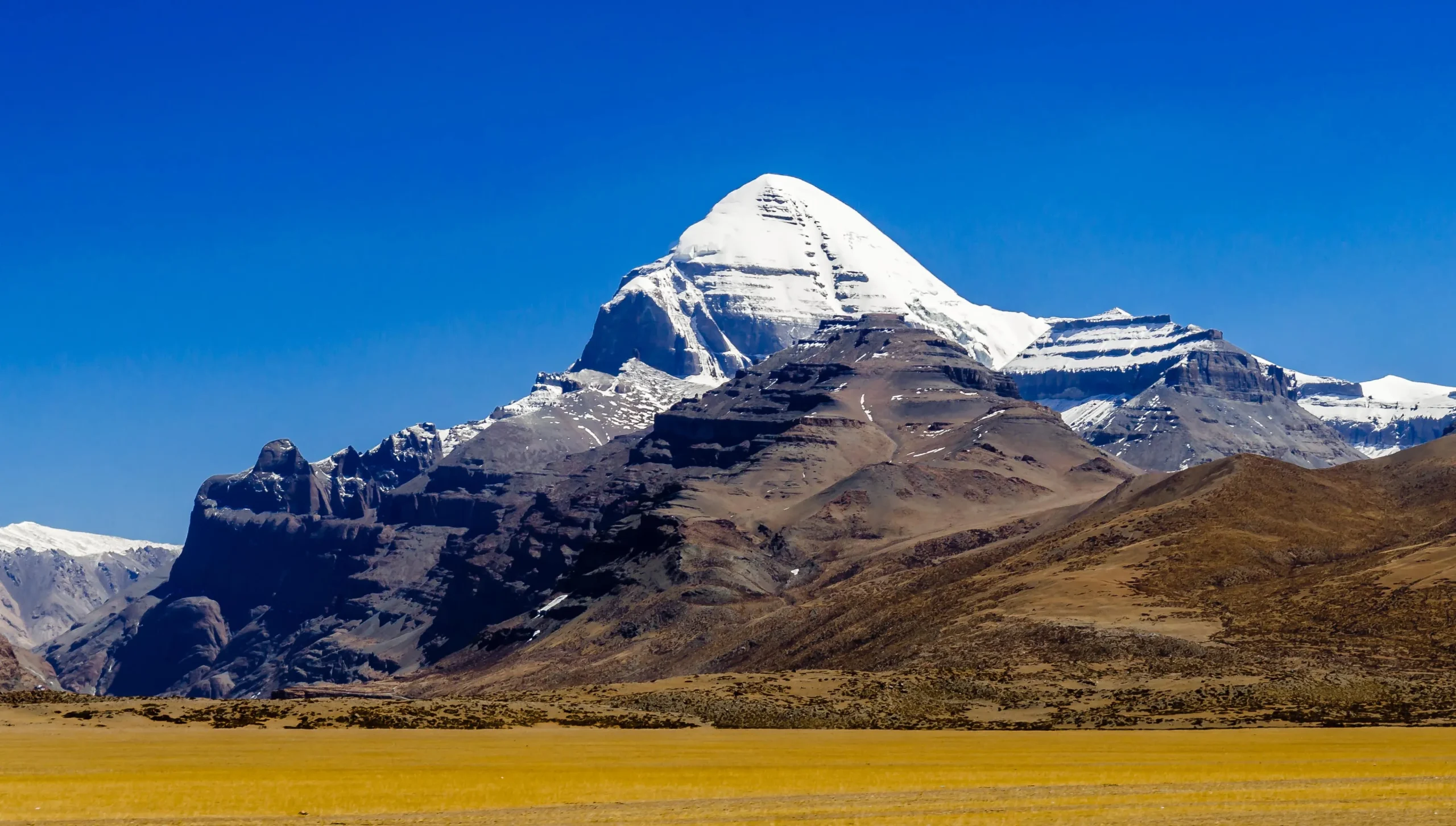
Mt. Kailash is one of the most sacred mountains in the world. Located in the remote western part of Tibet, this mountain is considered holy by Hindus, Buddhists, Jains, and Bon followers. Pilgrims from all over the world come to Mt. Kailash to perform the Kailash Kora, a spiritual circumambulation around the mountain. This pilgrimage tour is not just a physical journey but also a deep spiritual experience that many believe brings peace, blessings, and enlightenment.
Why Choose the Mt. Kailash Pilgrimage Tour?
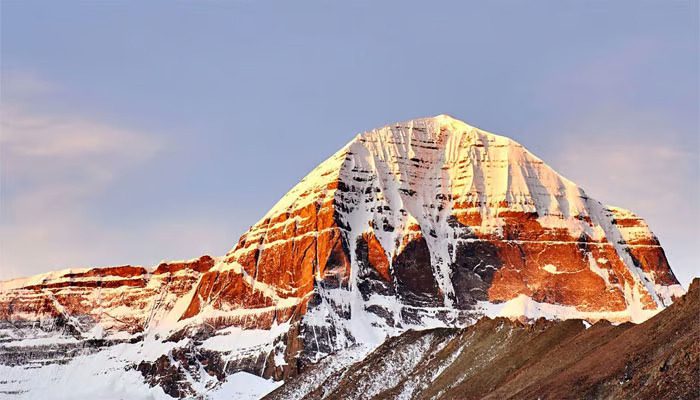
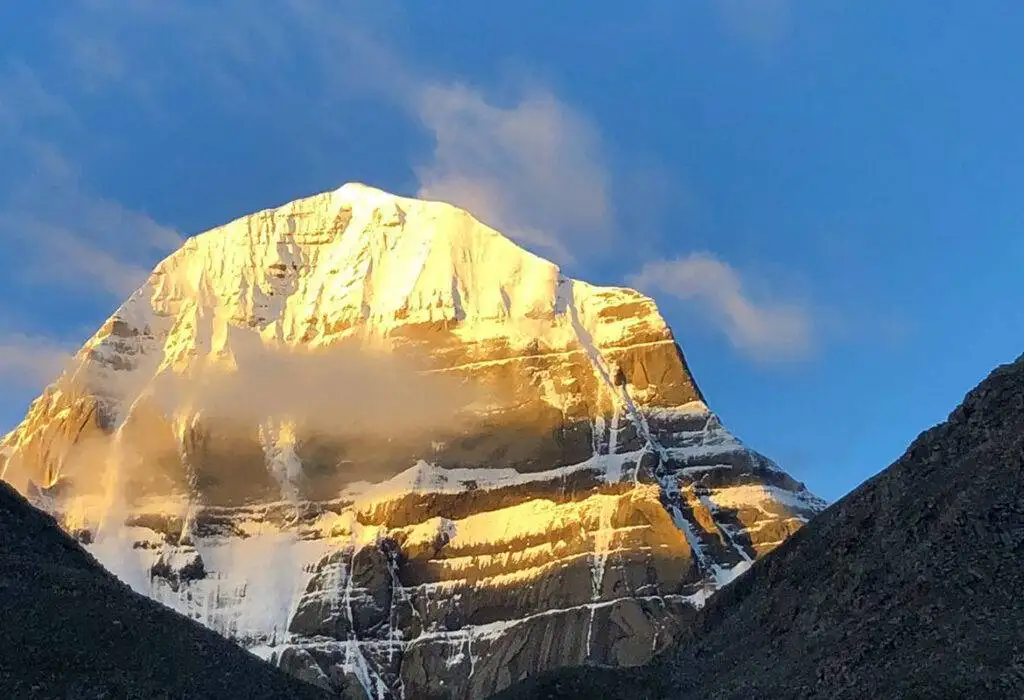
The Mt. Kailash pilgrimage tour offers a unique chance to explore one of the most mysterious and sacred sites on Earth. The mountain stands at 6,638 meters (21,778 feet) and is shaped like a pyramid, making it visually stunning and spiritually powerful. Unlike other trekking tours, this journey combines cultural immersion, religious significance, and natural beauty. Travelers experience the local Tibetan culture, visit important monasteries, and witness breathtaking landscapes.
Many pilgrims believe that completing the 52-kilometer kora around Mt. Kailash erases sins and helps achieve spiritual liberation. This belief makes the tour highly meaningful and rewarding for those seeking spiritual growth.
Best Time to Visit Mt. Kailash
The best time to undertake the Mt. Kailash pilgrimage is during the months of May to October. During this period, the weather is relatively mild and more stable, making the trekking conditions safer. Spring (May and June) brings blooming flowers and green landscapes, while autumn (September and October) offers clear skies and excellent mountain views.
Winter and early spring months are usually very cold with heavy snowfall, which can make the route dangerous. Summer can bring some rain and unpredictable weather, so it is less favored. Planning your pilgrimage during the recommended months ensures a better and safer experience.
How to Reach Mt. Kailash
Reaching Mt. Kailash is a journey in itself. The mountain is located in a remote region of Tibet, near the border of Nepal and India. Most pilgrims first travel to Kathmandu, Nepal, or Lhasa, Tibet’s capital, by air. From Lhasa or Kathmandu, they take a long drive by jeep or bus through scenic mountain roads to reach the base camp near Mt. Kailash.
There are two main routes to start the pilgrimage: one from Darchen in Tibet and another from Simikot in Nepal. Both routes offer unique experiences and views, but the Tibetan route is the most popular and traditional path for the Kailash Kora.
The Spiritual Significance of Mt. Kailash
Mt. Kailash is deeply sacred for four major religions. For Hindus, it is the home of Lord Shiva, the god of destruction and transformation. Buddhists see it as the place where the Buddha Demchok resides, symbolizing supreme bliss. Jains believe Mt. Kailash is where their first teacher attained liberation. The Bon religion considers it the center of the spiritual universe.
This shared reverence makes Mt. Kailash a symbol of religious unity and harmony. Pilgrims feel a profound spiritual connection as they walk around the mountain, chanting prayers and meditating along the way.
What to Expect on the Mt. Kailash Pilgrimage Tour
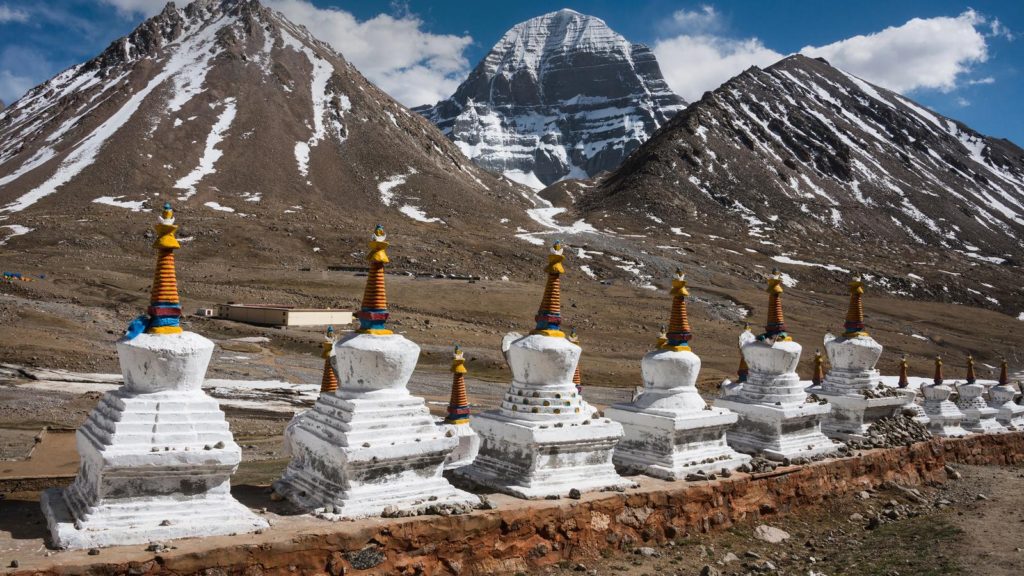
The pilgrimage typically lasts 10 to 14 days. It begins with acclimatization to high altitude in nearby towns like Darchen or Saga. The main highlight is the Kailash Kora, a 52-kilometer trek that circles the mountain. The trek involves walking through high mountain passes, valleys, and sacred sites.
Pilgrims often carry prayer flags, spin prayer wheels, and visit holy lakes such as Lake Manasarovar, which is located near Mt. Kailash. The journey is physically challenging due to the altitude and rough terrain, but many find it deeply rewarding and transformative.
Accommodation and Facilities During the Tour
Because Mt. Kailash is in a remote region, accommodation options are basic but comfortable. Pilgrims stay in guesthouses, simple lodges, or tents during the trek. Food is mainly Tibetan and Nepalese cuisine, which includes soups, noodles, and rice dishes.
Modern facilities like internet and electricity are limited, encouraging pilgrims to disconnect from the outside world and focus on the spiritual experience. It is important to prepare for basic living conditions and carry necessary personal items for a comfortable pilgrimage.
Health and Safety Tips for Mt. Kailash Pilgrimage
The high altitude around Mt. Kailash can cause altitude sickness, so proper acclimatization is essential. Pilgrims should drink plenty of water, avoid alcohol, and move slowly to adjust to the thin air. Consulting a doctor before the trip and carrying medications for altitude sickness is recommended.
Weather conditions can change rapidly, so carrying warm clothes, rain gear, and sturdy trekking boots is important. Hiring a knowledgeable guide and reliable transportation also enhances safety and ensures smooth travel.
Cultural Etiquette and Respect
Mt. Kailash pilgrimage is a sacred journey, so respecting local customs and traditions is crucial. Pilgrims should dress modestly, behave respectfully around monasteries, and avoid loud noises. Photography inside religious sites is often prohibited.
Engaging politely with local Tibetans and monks, learning basic Tibetan greetings, and following the rules of the pilgrimage route help maintain the spiritual atmosphere and create positive experiences for everyone.
Environmental Responsibility
Due to the fragile ecosystem of the Mt. Kailash region, it is vital for pilgrims to minimize their environmental impact. Carrying out all waste, avoiding plastic use, and sticking to established trails helps protect the natural beauty and sacredness of the area for future visitors.
Joining organized tours that follow eco-friendly policies can support sustainable tourism and contribute to local community welfare.
Final Thoughts on the Mt. Kailash Pilgrimage Tour
The Mt. Kailash pilgrimage tour is much more than a physical journey. It is a deeply spiritual experience that connects people to nature, faith, and inner peace. This sacred mountain, with its stunning landscapes and profound religious significance, attracts pilgrims seeking blessings and enlightenment.
If you are ready for a unique adventure combining spirituality, culture, and nature, the Mt. Kailash pilgrimage is an unforgettable journey worth taking. With proper preparation, respect, and an open heart, this tour will leave a lasting impression on your life.
Itinerary
Altitude
1400 m
Accommodation
overnight
This tour starts from Kathmandu drive to Kodari Border with Tibet / 114 kms from Kathmandu / takes 05-06hrs. Upon arrival our tour escort will help you through immigration formalities in Nepal after immigration formalities in Tibet our Tibetan Guide with 4WD Jeeps and supporting trucks take you to Zhangmu (Tibetan town 09 km uphill drive form border.). At Zhangmu you again have to go through Chinese immigration formalities and there you will have your lunch / after lunch drive to Nyalam (30 kms form Zhangmu o/n in Guest house.
Rest day for acclimatization.
After breakfast / drive Saga 06-08 hrs drive, 4050 m / over night in camp.
Altitude
4590 m
Accommodation
guest house
After early morning breakfast drive to mansarovar 06-07 hrs drive / over night camp.
Explore Lake Manasorovar in the morning and drive to Darchen / 1 hour drive 4,560 m / over night camp / G house.
Accommodation
guest house / camp
After early morning breakfast trek starts (The Kora begins) / 4/5 hours trek to Dirapuk, 4,890 m.
Altitude
4790 m
Accommodation
guest house /camp
Parikrama continues to Zutulpuk / takes approximately 08 hours, 4,790m.
Accommodation
in camp
Trek end at Darchen and drive to saga .
Accommodation
Guest house
Drive to Nayalam
Accommodation
Hotel
Drive back to Kathmandu / transfer hotel
Cost Includes
- 3 night's accommodation at 3/4 star hotel in kathmandu on twin share basis. 9/10 daysaccommodation in tibet using guest house/camp.
- Tibet visa & permit fee(normal).Yak & yak man for luggage during Kailash Parikrama.
- Ground transfers in Tibet using toyota land cruiser or Bus as applicable.
- Services of English-speaking guide in Tibet.
- Services of our trekking equipment and sherpa staff. All trekking & camping including gyamo bags,sleeping bags and oxygen sylinders.
Cost Excludes
- Using extra nights in lodge (except the mentioned on itinerary). Yak/porter for personal using Rescue/ evacuation or all the extra cost because of partition from the main group or serious health condition.
- Flight or any costs TO or FROM Kathmandu from your destination/ home town. No cost is including for those who separate from the main group To apply the visa Approval before your arrival we need.
- Flight or any costs TO or FROM Kathmandu from your destination/ home town. No cost is including for those who separate from the main group To apply the visa Approval before your arrival we need:
- Advised, drink approx. 04 litters of water per day, do not strain yourself, move slowly, breathe deeply and take regular rests Hotel Booking Where are you going? Hotel Type Flight Booking Domestic International 2-way 1-way Fixed Departure 2014 Annapurna Round Circuit Trek Annapurna Round Circuit Annapurna view trek Annapurna view trek Everest Base Camp Island Peak Everest Base Camp Islan
Equipment
General
- Puffy down jacket (We have rental jackets available for rent
- Four-season (zero degree) sleeping bag (We have rental sleeping bags available form an additional cost
- Daypack (35-45 liters recommended) with rain cover
- Sleeping bag liner
Upper Body
- Sun hat or cap
- Knitted hat/Beanie
- Scarf or neck gaiter
- Headlamp
- Sunglasses
Torso
- Technical fabric base layer (light for warmer months, heavy for colder months)
- Technical fabric short (2) and long sleeve (2) shirts
- Waterproof, windproof shell
- Fleece jacket or pullover
Lower Body
- Technical fabric base layer (light for warmer months, heavy for colder months)
- Hiking pants (2)
- Comfortable pants for inside the teahouses
- Waterproof/windproof outer shell pants
- Hiking shorts
Hands
- Wool or technical fabric liner gloves
- Hard-shell outer gloves (insulated for colder months)
Feet
- Wool or technical fabric warm socks
- Hiking socks
- Liner socks (optional such as silk)
- Trekking/hiking boots (waterproof recommended)
- Ice Cleats /Micro Spikes (For trekking from November to March, it's recommended to include Ice Cleats/ Micro Spikes to prevent slipping on icy or wet surfaces.)
- Casual shoes
- Gaiters (lightweight for dust or heavy for snow in colder months)
Undergarments
- Technical fabric/quick drying is best for underwear (opportunities to launder during the trip)
- Sports bras (women)
- Pajamas or sleeping clothes
Optional
- Power bank or extra batteries
- Cameras and mobile phone
- Cards/book
Peak climbing gear
- Climbing boot
- Crampons and harness
- Hiking boot,slippers
- Carabiners 4 pes (2 lock 2 onlock)
- Ascending device jumar
- Descending device ACT and figure of 8
- Helmet ,ice axe and sleeping bag
- Hiking sucks and warm wool sucks
- Warm expedition gloves and thin treking gloves
- Wind proof pant and jacket
- downsuit,expedition bag 50 ltrs for more then 7000 mt
- expedition down jacket for more then 7000 mt
Customer Reviews
Exprince Trek guide help to safe travel Mar 2026 • Friends It was grate experience with always Himalaya trek,Mr. Sitaram Karki and Mr. Kumar rai, they are well organized and informed, which is help Read more
Santa U
Nepal
Best Trekking experience in my life Oct 2025 • Friends I did the Mera Peak trek with Always Himalaya Trek and it was an amazing experience. From the start, everything felt very personal and well orgRead more
Conal higney
united kingdom
Best Trekking company I have been on 3 treks with Sitaram; Langtang, Annapurna Circuit, and Mera Peak, all of which have been amazing. My most recent Trek was to the top of Mera Peak, the higheRead more
Gerard Melly
Ireland
