Trip Facts
Duration
19 Days
Max. Altitude:
6584m
Group size
2-10+
Best Time for Visit
Spring & Autumn
Activity
Climbing
Meals
Breakfast,Lunch ,Dinner
DIFFICULTY
Moderate plus
LOCATION
Chulu East
Trip Ends
Bensisahar
Introduction of Chulu East Peak Climbing
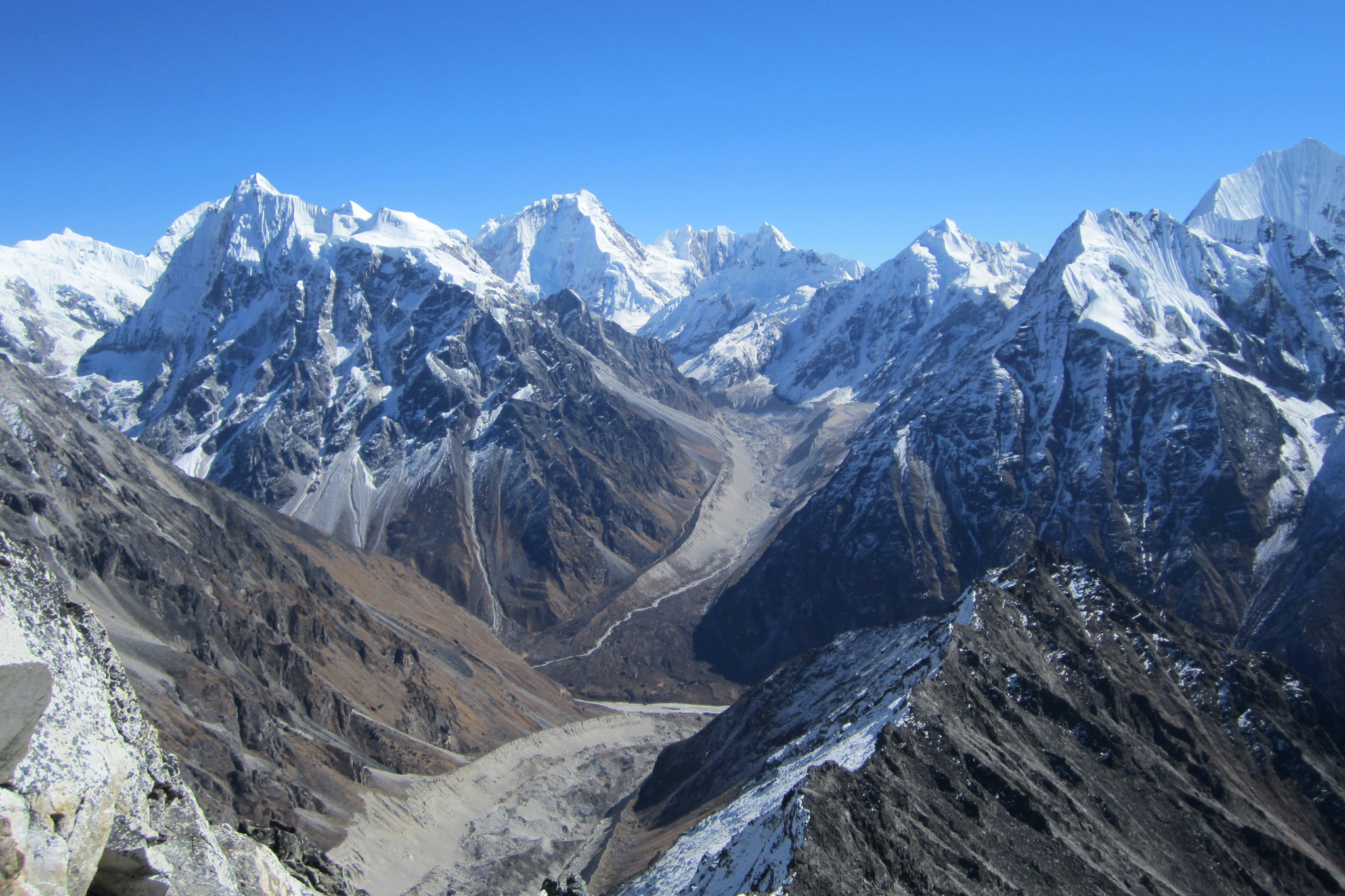
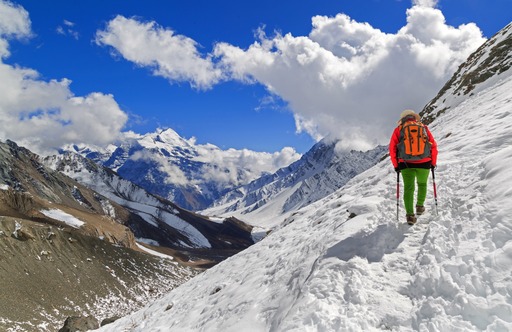
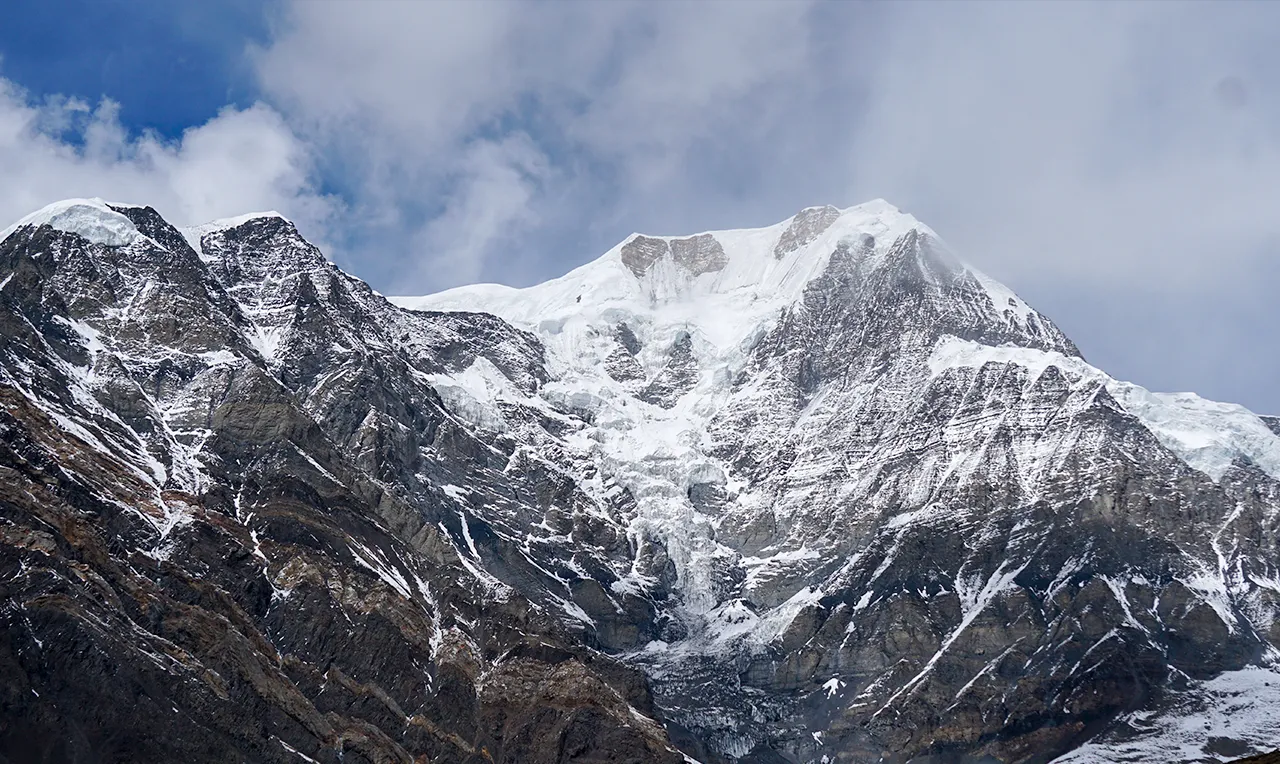
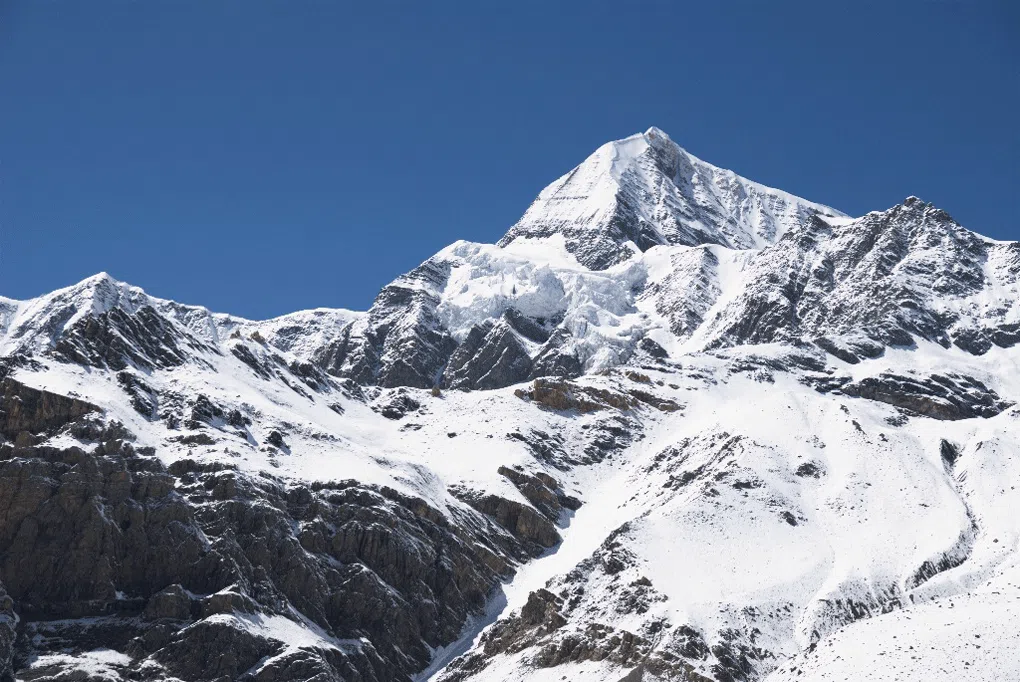
Chulu East Peak Climbing offers one of the most rewarding and scenic climbing experiences in the Annapurna region of Nepal. Situated at an elevation of 6,584 meters, this peak lies in the Manang Valley, north of the Annapurna Massif. Surrounded by snow-capped peaks, picturesque villages, and ancient monasteries, this climb is perfect for those who want to combine trekking and peak climbing.
The adventure provides spectacular views of Annapurna II, III, IV, Gangapurna, Manaslu, and Tilicho Peak. Moreover, it is a great choice for both experienced climbers and fit trekkers seeking their first Himalayan summit.
Why Choose Chulu East Peak Climbing?
There are many reasons to choose Chulu East over other trekking peaks. First, its location in the Annapurna region ensures easy access and excellent infrastructure. Second, the climb is technically moderate, making it accessible to those with basic mountaineering training. Additionally, the surrounding landscape—ranging from subtropical forests to alpine deserts—adds richness to the journey.
Furthermore, the cultural experience is extraordinary. Along the route, you will encounter the rich traditions of the Gurung and Manangi people. Their ancient monasteries, traditional homes, and Buddhist chortens offer deep spiritual insights.
Best Time to Climb Chulu East
Spring (March to May)
Spring is the most popular time for climbing Chulu East. The weather is generally stable, and the skies are clear. Rhododendrons bloom across the lower hills, making the trek visually appealing. The temperatures at base camp are also bearable, and snow conditions are usually favorable for climbing.
Autumn (September to November)
Autumn is another excellent season. The monsoon clears the dust and brings blue skies and fresh air. It’s also the busiest time on the Annapurna Circuit, so expect some crowding on the trail. However, the summit conditions are excellent, with less snowfall and dry rock faces.
Avoid Monsoon and Winter
The monsoon season (June to August) brings heavy rainfall and landslides. Winter (December to February) can bring extremely low temperatures and deep snow, making the climb dangerous.
Difficulty Level and Physical Requirements
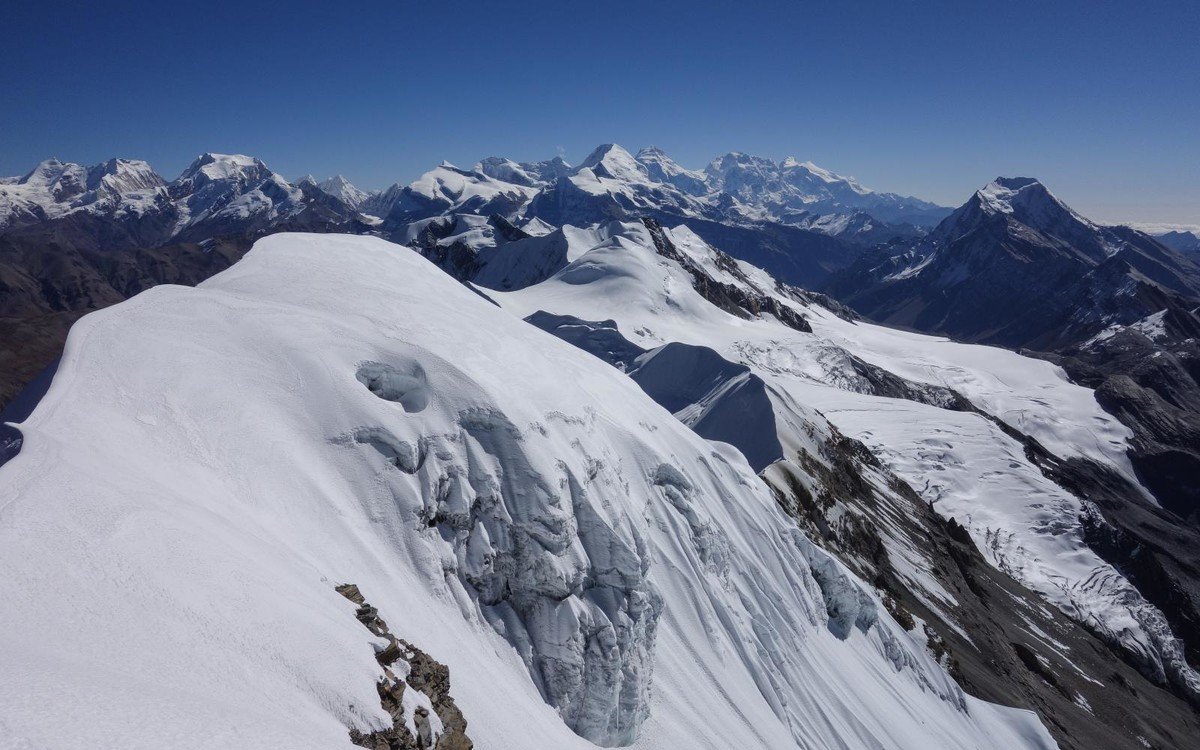
Chulu East Peak is considered a moderately technical climbing peak. It requires the use of basic mountaineering equipment like crampons, ice axe, harness, and ropes. The climbing route involves snow slopes, icy ridges, and a final summit push on a steep incline.
Who Can Join?
You don’t need to be a professional mountaineer, but good fitness and some high-altitude trekking experiences are essential. Prior knowledge of using climbing gear will be helpful. Many climbers train for several months before attempting the climb.
Altitude Sickness Awareness
Since the peak is over 6,500 meters, acclimatization is key. Symptoms like headaches, nausea, and dizziness should not be ignored. Therefore, extra rest days and a gradual ascent are part of most itineraries.
Itinerary
Cost Includes
- Airport pick-up and drop-off service, by private vehicles.
- four nights' hotel accommodation in Kathmandu with BB plan
- Transportation includes
- Three meals per day during the trek (breakfast, lunch, and dinner), along with one cup of tea or coffee per meal.you can choose only one items per meal.
- Seasonal fresh fruits will be provided every night after dinner
- Accommodation will be in tea houses during the trek, with basic twin-sharing rooms
- An experience English Speaking trained, Government license Holder Guide
- Porter, we assign one porter for every two trekkers, a porter typically carries 20 to 25 kg
- An extra assistant guide is provided for groups with more than 6 participants
- All applicable taxes as per government rules and regulations
- First Aid medical kit, Oxy meter to check pulse, heart rate and oxygen saturation at higher altitude (Very useful to check Altitude Mountain Sickness (AMS) symptoms)
- Guide and porter salary, food, accommodation and insurance during the trek
- If you need a duffel bag to pack your trekking gear, we provide one free of cost. However, it must be returned after the trip is completed.
- Farewell dinner with traditional Nepali music and cultural dance will be held at a local restaurant
- climbing guide peak bonus and insurance
Cost Excludes
- Nepal entry visa fee $50 USD for 30 days visa on arrival.
- Lunch and dinner in Kathmandu
- Extra night hotel accommodation in Kathmandu than itinerary as well as extra trekking days
- Travel insurance and Mountain rescue service (covers emergency Rescue and Evacuation)
- Personal nature expenses (phone, laundry, water, bar drinks, battery recharge, donations, shopping, extra porters, hot shower etc.)
- Entrance fees for Kathmandu Valley sightseeing that cost as well as monasteries and monuments during the trek
- If you are single, Porter cost is extra
- Tips to Trekking staff (Tips is expected)
- Any other expenses that aren’t mentioned in the section above
Equipment
General
- Puffy down jacket (We have rental jackets available for rent
- Four-season (zero degree) sleeping bag (We have rental sleeping bags available form an additional cost
- Daypack (35-45 liters recommended) with rain cover
- Sleeping bag liner
Upper Body
- Sun hat or cap
- Knitted hat/Beanie
- Scarf or neck gaiter
- Headlamp
- Sunglasses
Torso
- Technical fabric base layer (light for warmer months, heavy for colder months)
- Technical fabric short (2) and long sleeve (2) shirts
- Waterproof, windproof shell
- Fleece jacket or pullover
Lower Body
- Technical fabric base layer (light for warmer months, heavy for colder months)
- Hiking pants (2)
- Comfortable pants for inside the teahouses
- Waterproof/windproof outer shell pants
- Hiking shorts
Hands
- Wool or technical fabric liner gloves
- Hard-shell outer gloves (insulated for colder months)
Feet
- Wool or technical fabric warm socks
- Hiking socks
- Liner socks (optional such as silk)
- Trekking/hiking boots (waterproof recommended)
- Ice Cleats /Micro Spikes (For trekking from November to March, it's recommended to include Ice Cleats/ Micro Spikes to prevent slipping on icy or wet surfaces.)
- Casual shoes
- Gaiters (lightweight for dust or heavy for snow in colder months)
Undergarments
- Technical fabric/quick drying is best for underwear (opportunities to launder during the trip)
- Sports bras (women)
- Pajamas or sleeping clothes
Optional
- Power bank or extra batteries
- Cameras and mobile phone
- Cards/book
Peak climbing gear
- Climbing boot
- Crampons and harness
- Hiking boot,slippers
- Carabiners 4 pes (2 lock 2 onlock)
- Ascending device jumar
- Descending device ACT and figure of 8
- Helmet ,ice axe and sleeping bag
- Hiking sucks and warm wool sucks
- Warm expedition gloves and thin treking gloves
- Wind proof pant and jacket
- downsuit,expedition bag 50 ltrs for more then 7000 mt
- expedition down jacket for more then 7000 mt
Customer Reviews
Exprince Trek guide help to safe travel Mar 2026 • Friends It was grate experience with always Himalaya trek,Mr. Sitaram Karki and Mr. Kumar rai, they are well organized and informed, which is help Read more
Santa U
Nepal
Best Trekking experience in my life Oct 2025 • Friends I did the Mera Peak trek with Always Himalaya Trek and it was an amazing experience. From the start, everything felt very personal and well orgRead more
Conal higney
united kingdom
Best Trekking company I have been on 3 treks with Sitaram; Langtang, Annapurna Circuit, and Mera Peak, all of which have been amazing. My most recent Trek was to the top of Mera Peak, the higheRead more
Gerard Melly
Ireland