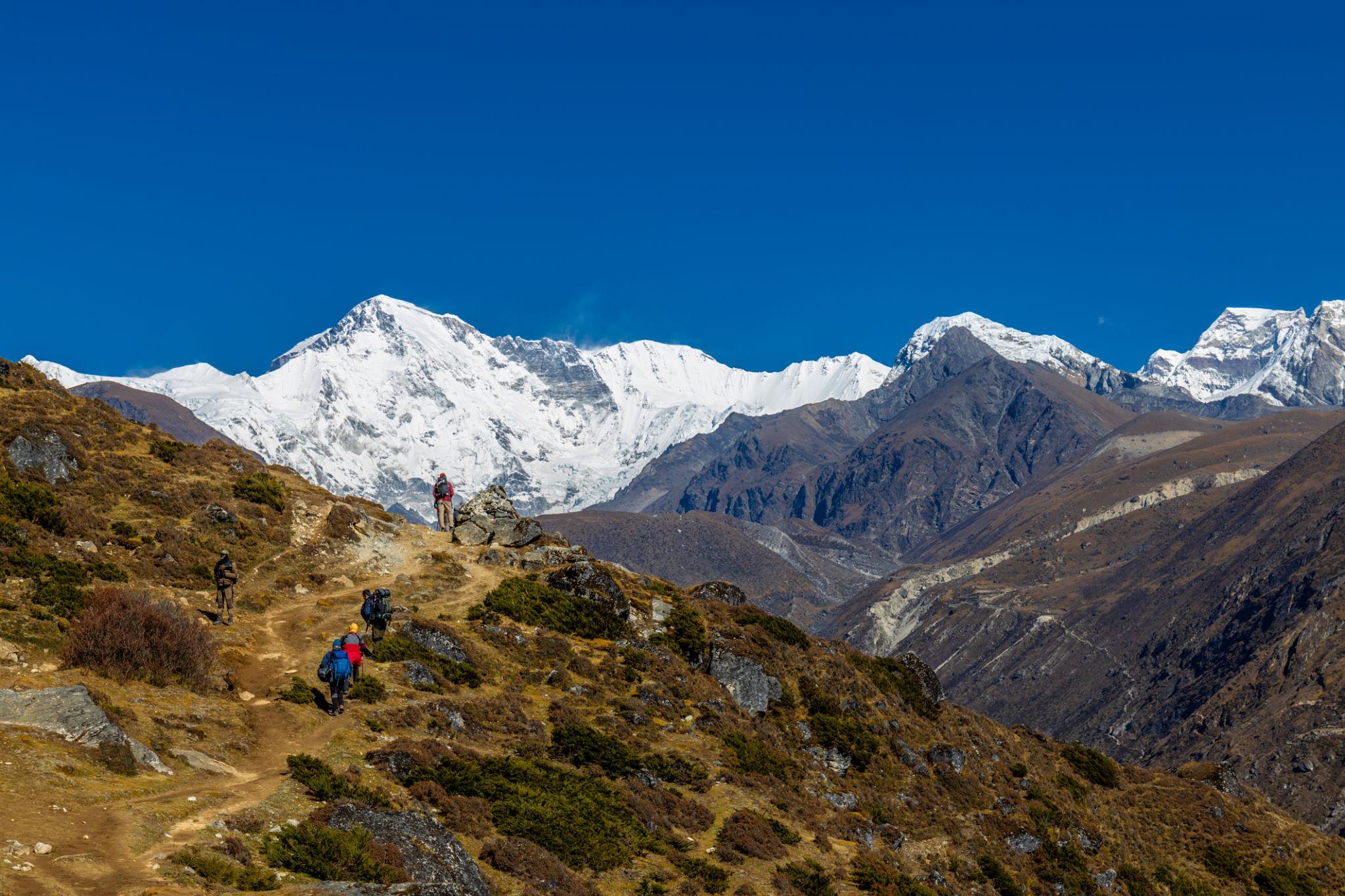
Why High Altitude in the Himalayas Affects Your Body

The main reason people experience altitude sickness in the Himalayas is not lack of oxygen percentage, but lower air pressure.
Even though oxygen remains 21% everywhere, the high altitude trekking Nepal environment reduces oxygen intake per breath.
Your body reacts immediately in high altitude:
- Faster breathing during Himalayan trekking
- Increased heart rate at altitude
- Reduced oxygen supply to muscles
- Gradual acclimatization process starts
This is why even strong trekkers struggle during high altitude trekking in Nepal Himalayas.
2,500m – 3,000m: First Stage of Himalayan Trekking Experience
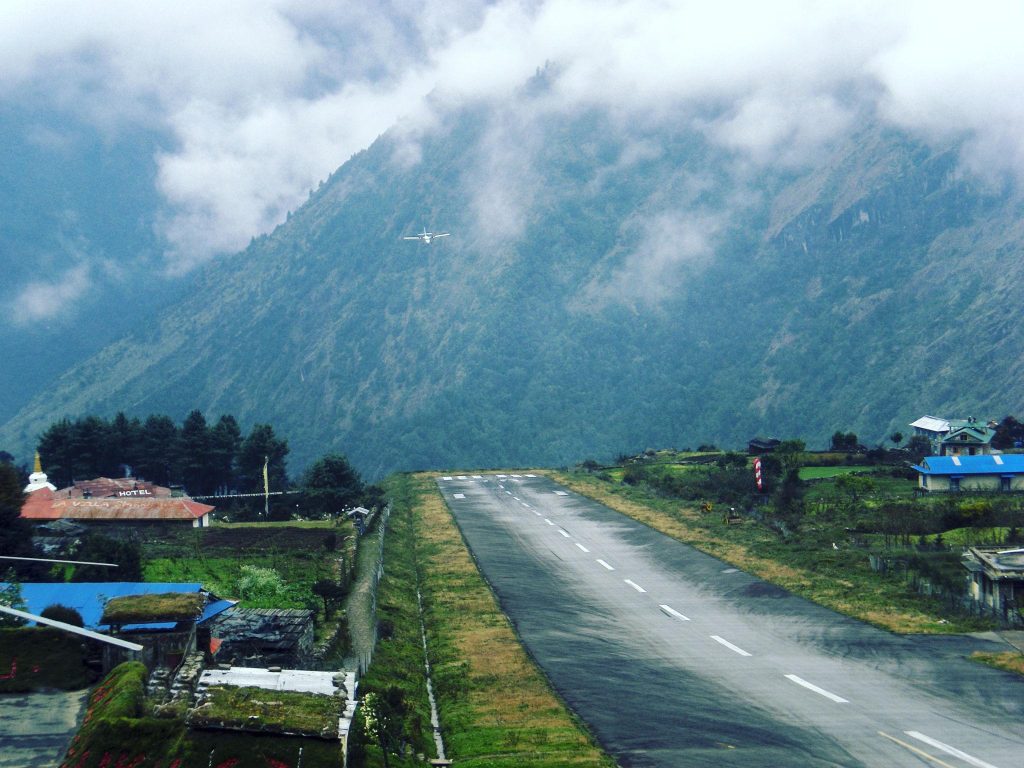
At this stage of Nepal trekking altitude zones, most trekkers feel normal, but the body already begins adjusting to Himalayan altitude conditions.
Common symptoms during trekking in Nepal at this altitude:
- Slight breathlessness on uphill sections
- Increased thirst during trekking
- Mild fatigue after long hiking days
This is the beginning of acclimatization in Himalayan trekking routes like Ghorepani Trek and Lukla trail.
3,000m – 3,500m: Altitude Sickness in Nepal Begins to Show
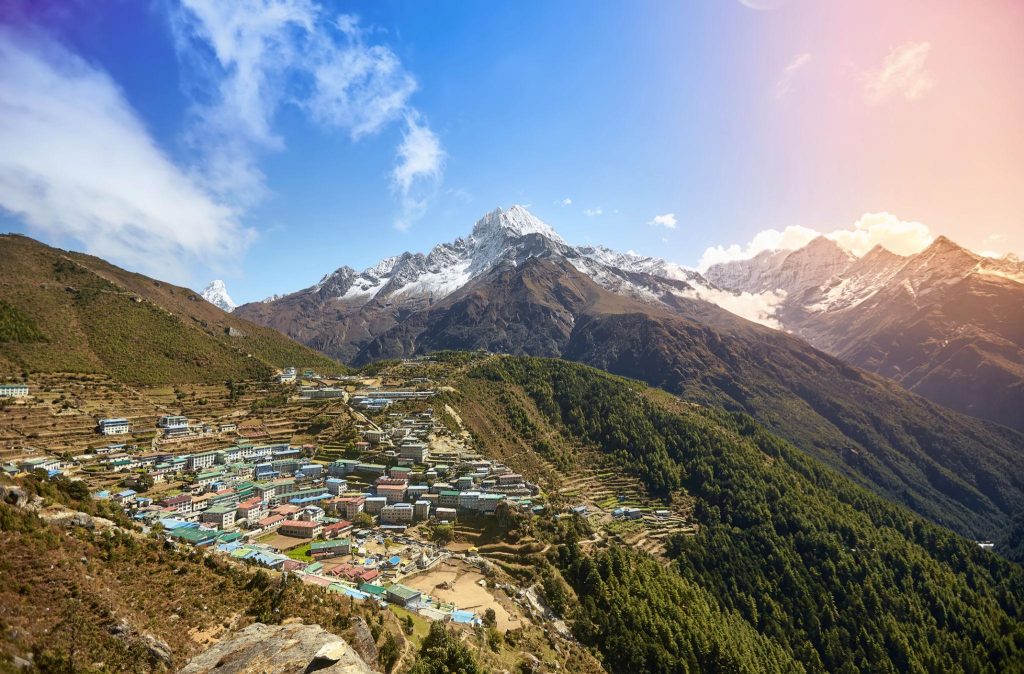
This is a critical stage in high altitude trekking Nepal Himalayas, where many trekkers first experience mild altitude sickness symptoms in Nepal trekking routes.
Body reactions include:
- Headache during Everest Base Camp Trek or Annapurna Circuit Trek
- Shortness of breath on uphill trails
- Reduced appetite in high altitude Nepal trekking
- Light and disturbed sleep
This is where proper acclimatization in Nepal Himalayas trekking becomes very important.
3,500m – 4,000m: Above Tree Line in Nepal Himalayas
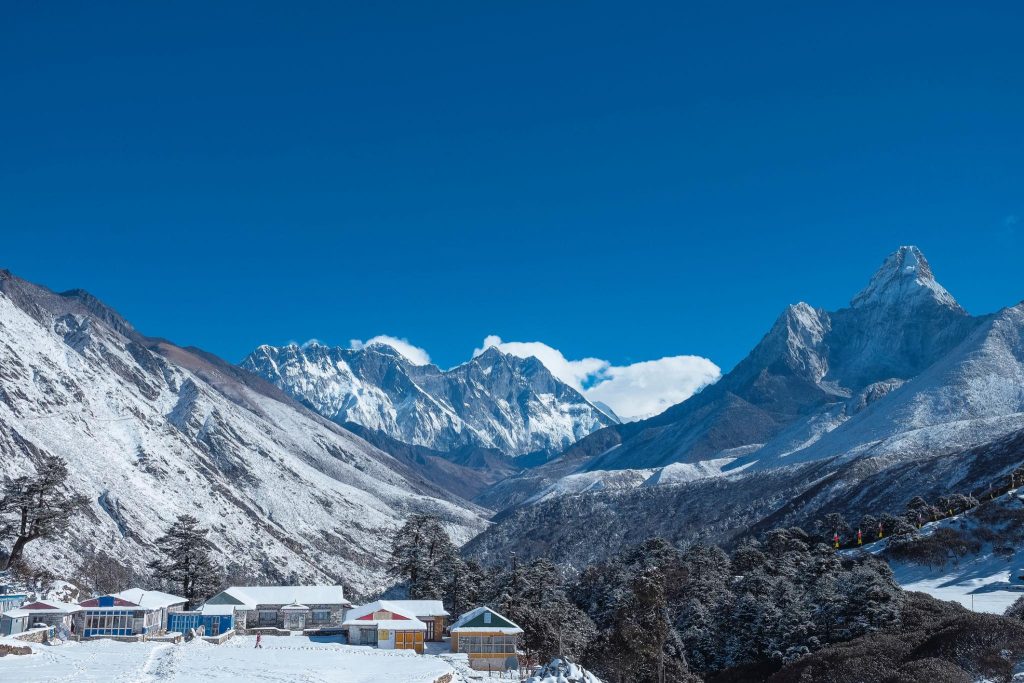
In this stage of high altitude trekking Nepal, oxygen levels drop significantly, and AMS (Acute Mountain Sickness) can begin.
Common symptoms in this Himalayan trekking zone:
- Constant breathlessness in Nepal trekking trails
- Low energy during Annapurna Circuit Trek or Langtang Valley Trek
- Poor sleep quality at high altitude lodges
- Mild AMS symptoms in Nepal Himalayas trekking
This is why acclimatization days in Nepal trekking routes like Namche Bazaar and Manang are mandatory.
4,000m – 5,000m: Extreme High Altitude Trekking Nepal
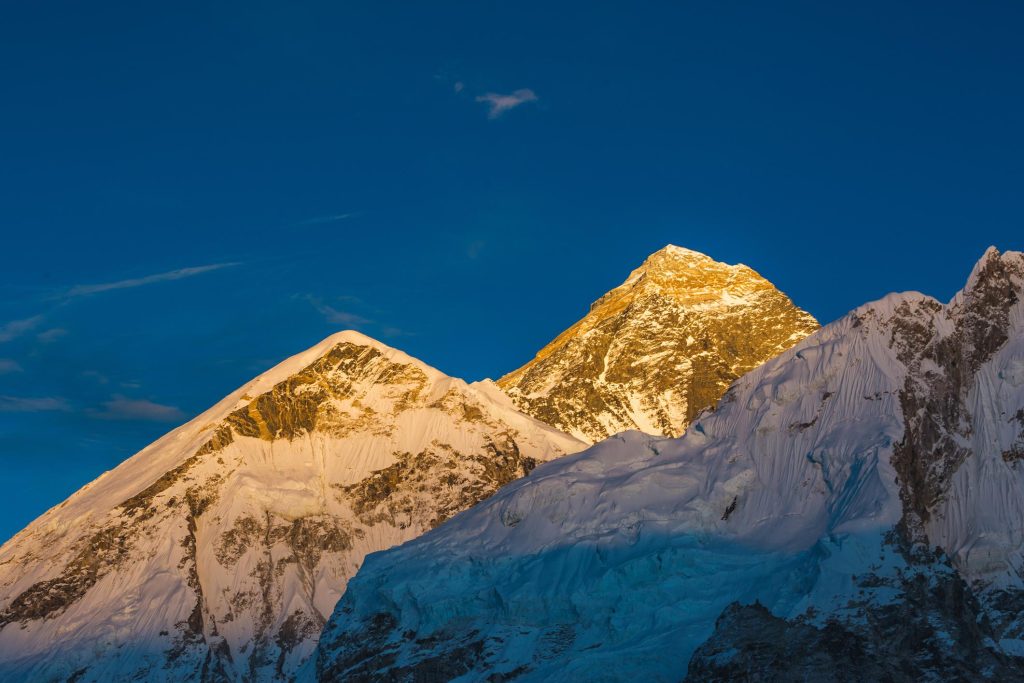
This is one of the toughest sections in Nepal high altitude trekking routes like Everest Base Camp Trek and Gokyo Lakes Trek.
What trekkers feel:
- Severe fatigue in high altitude Nepal trekking
- Slow walking pace on Everest Base Camp route
- Reduced mental focus during Himalayan trekking
- Breathlessness even while talking
At this stage, oxygen level in Himalayas trekking zones drops significantly, making every step harder.
Altitude Sickness in Nepal Himalayas (Warning Signs)
Early symptoms of altitude sickness in Nepal trekking:
- Headache
- Fatigue
- Nausea
- Poor sleep
Danger signs in high altitude Himalayas trekking:
- Vomiting
- Confusion
- Loss of coordination
- Breathlessness at rest
Golden rule for Nepal trekking safety:
If symptoms worsen during high altitude trekking in Nepal Himalayas → descend immediately
Final Thoughts on High Altitude Trekking Nepal
The Himalayas teach every trekker that Nepal trekking experience is not about fitness, but adaptation to altitude.
Whether you are doing Everest Base Camp Trek, Annapurna Circuit Trek, Manaslu Circuit Trek, or Langtang Valley Trek, altitude will always be the deciding factor.
Golden rules for safe Himalayan trekking Nepal:
- Go slow in high altitude Nepal trekking routes
- Stay hydrated during Himalayan trekking
- Follow acclimatization rules in Nepal Himalayas
- Listen to your body at all times
If you respect altitude, Nepal Himalayas trekking experience becomes one of the most unforgettable journeys in the world.