


Trip Facts
Trip Code
Mera peak climbing
Duration
16 Days
Max. Altitude:
6461m
Group size
8 -12
Best Time for Visit
Spring, Summer & Autumn
Activity
Climbing
Meals
Breakfast,Lunch ,Dinner
DIFFICULTY
Moderate plus
LOCATION
Mera Peak
Trip Ends
Kathmandu, Nepal
Highlights
- Conquer one of Nepal’s highest trekking peaks at 6,461 meters.
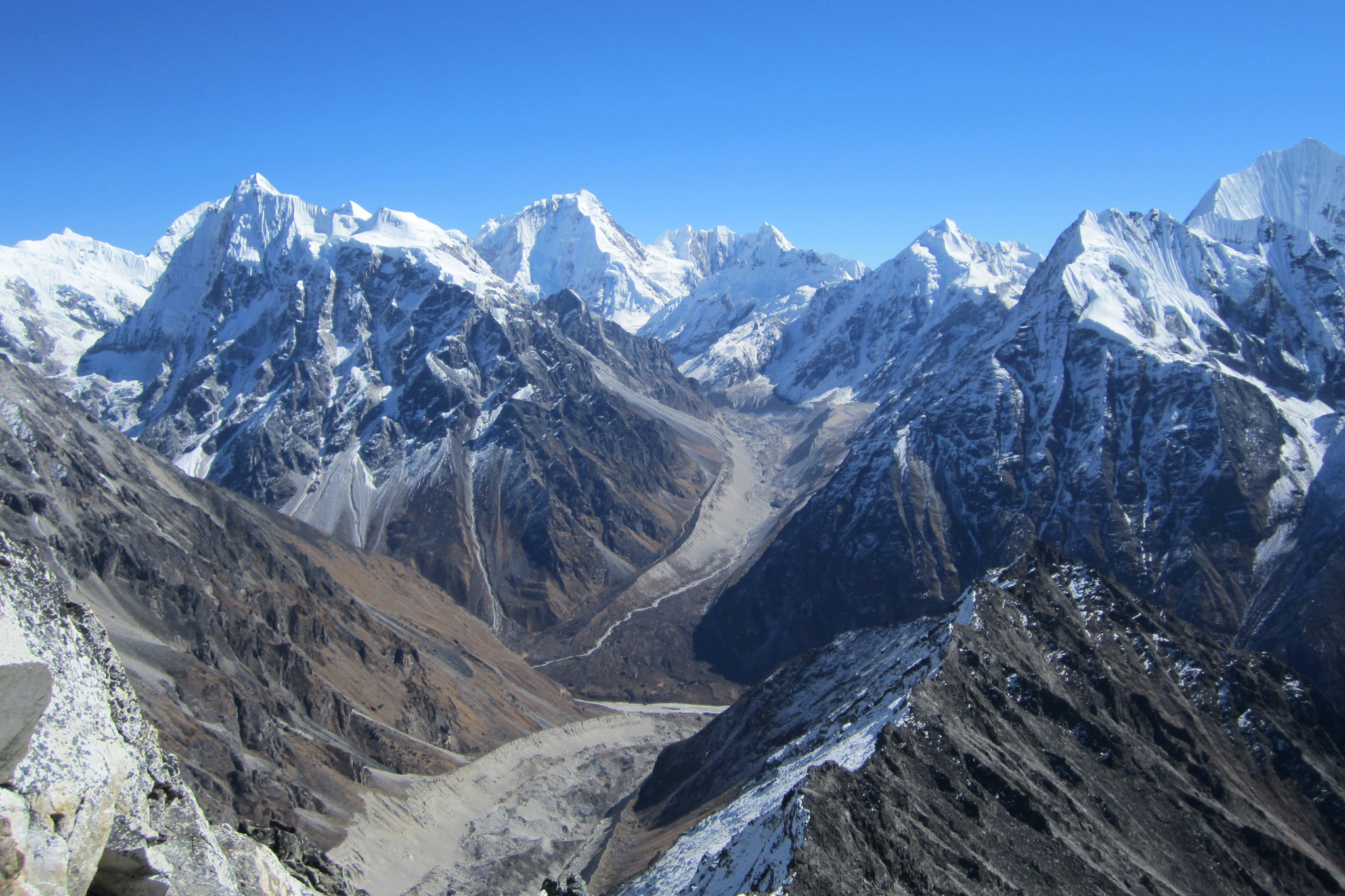
- Experience the stunning panoramic views of the Himalayas
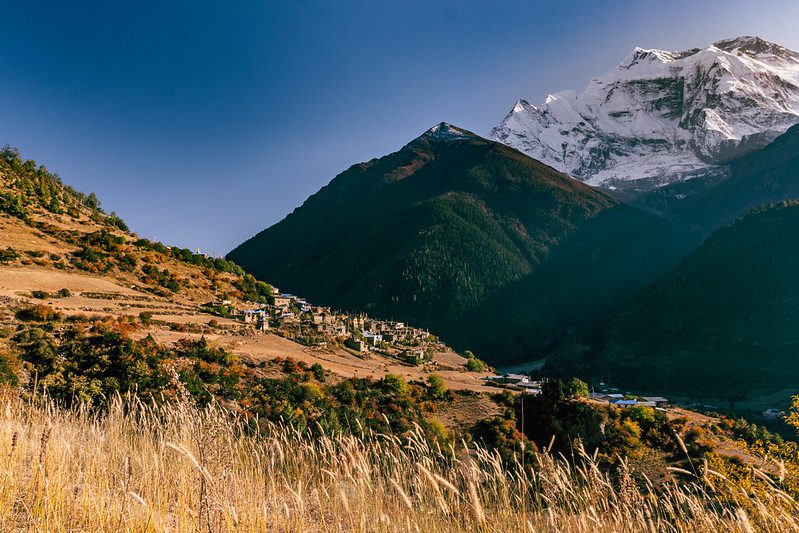
- Spend nights in tea houses and experience the authentic Sherpa culture and traditional villages
- Trek through the unexplored Hinku Valley
- Technical climbing experience with professional guidance
- Pass through stunning glacial landscapes and alpine terrain.
Mera Peak Climbing Itinenary
Altitude
1,310 meters
Meal
Welcome Dinner
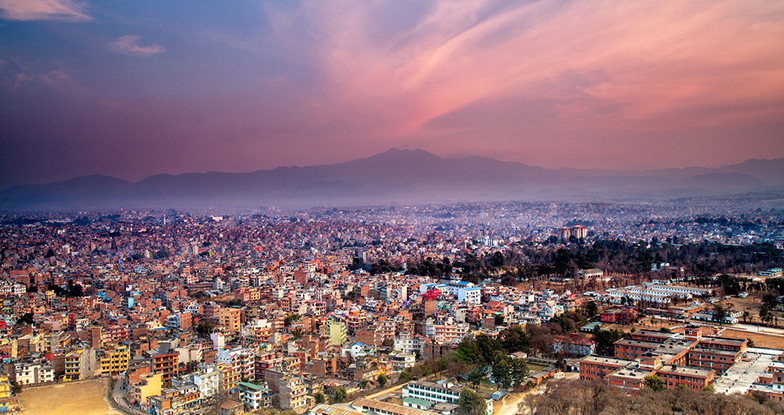
Your journey begins as you land at the Tribhuvan International Airport. Representatives from our team will greet you with a warm welcome and a traditional khada scarf. You’ll be transferred to your hotel for the day, where you’ll spend the day on equipment check. In the evening, you’ll meet your guide, who will provide the final moment briefing.
Altitude
Kathmandu (1,310 meters) Lukla (2,840 meters) Chutanga (3,050 meters)
Meal
Breakfast, Lunch, Dinner
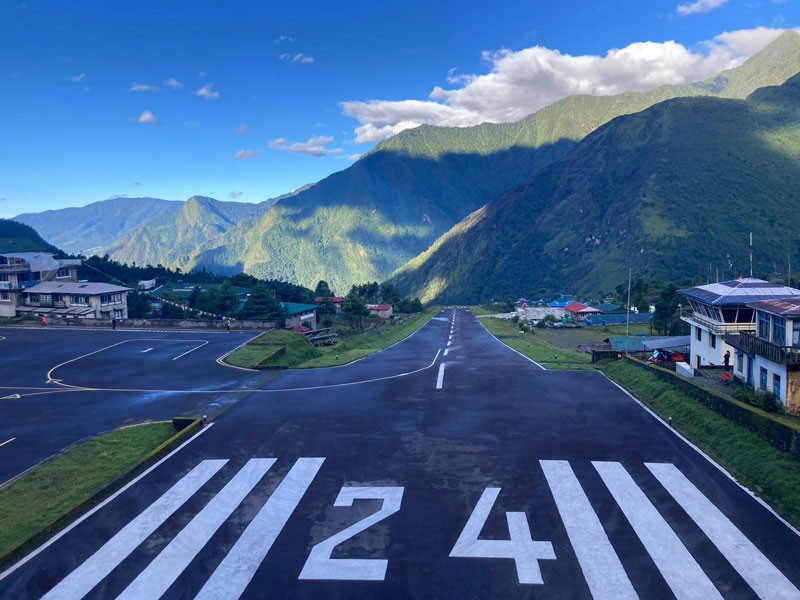
The day starts as you join in for a stunning aerial flight from Kathmandu to Lukla. This 45-minute flight provides an extraordinary aerial view of the Khumbu region of Nepal. Landing at the famous Tenzing Hillary Airport, you’ll catch up with your team and trekking to Chutanga. The trail passes through dense pine and rhododendron forests. Reach Chutanga and rest for the Night.
Altitude
Starting: 3,050 meters Zatrwa La Pass: 4,610 meters
Meal
Breakfast, Lunch, Dinner
Today, you’ll ascend all the way to Zatrwa La PASS. The trail gets steeper as you cross the dense forest, which opens a dramatic view. As you navigate through rocky terrain and challenges, you’ll be rewarded for each step you take with stunning views of the Hinku Valley and surrounding peaks. Maintaining a steady pace, you’ll reach Zatrwa La and spend the Night there.
Altitude
Descent from: 4,610 meters Kote: 4,180 meters
Meal
Breakfast, Lunch, Dinner
The day begins as you descend into the beautiful Hinku Valley. Following the Hinku Khola, you’ll move through changing landscapes of alpine meadows and rocky outcrops. The transition in landscapes becomes real as all the greeneries disappear. You’ll reach Kote, a small village that serves as an essential rest stop for climbers. You’ll spend the Night here.
Altitude
Starting: 4,180 meters Thangnak: 4,356 meters
Meal
Breakfast, Lunch, Dinner
Today, you’ll follow the Hinku Khola that leads you through a broad valley. Passing ancient Buddhist monuments and beautiful summer yak herder settlements, you go to Thangnak. Today, the trail is beautiful, with several small streams and moraines. Reaching Thangnak, you are greeted with stunning views of the Mera Glacier. Spend the Night there.
Altitude
Starting: 4,356 meters Khare: 4,659 meters
Meal
Breakfast, Lunch, Dinner
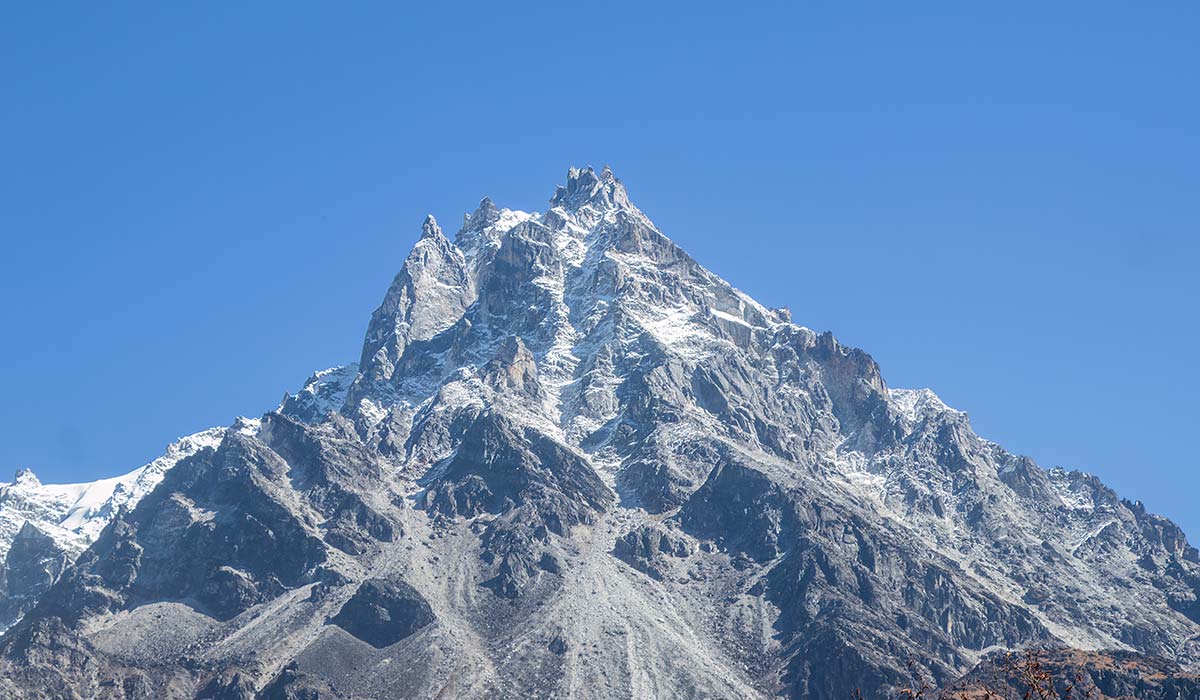
The trail to Khare offers stunning views of the Mera Peak. Trekking alongside the Dig Glacier, you’ll cross rocky terrain and moraine fields. Khare is the last settlement before the Base Camp. Spend the Night here and get a comfortable sleep before descending.
Altitude
6461 meters
Meal
Breakfast, Lunch, Dinner
Accommodation
guest house / tent camp
Acclimatization becomes crucial while trekking in high altitude. Today, at Khare, you’ll acclimate to the increasing altitude by walking short hikes around the valley and resting. You’ll practice on nearby slopes, which will prepare you for the challenges ahead. Spend the Night in Khare.
Altitude
Starting: 4,659 meters Base Camp: 5,400 meters
Meal
Breakfast, Lunch, Dinner
Today, you’ll make your way to the Mera Base Camp by crossing the famous Mera Glaciers. Today’s adventure requires the use of crampons and rope, along with the assistance of your team members. The Base Camp is situated on a rocky section of the Mountain. You can spend the afternoon resting and preparing for the climb the next day.
Altitude
Starting: 5,400 meters High Camp: 5,650 meters
Meal
Breakfast, Lunch, Dinner
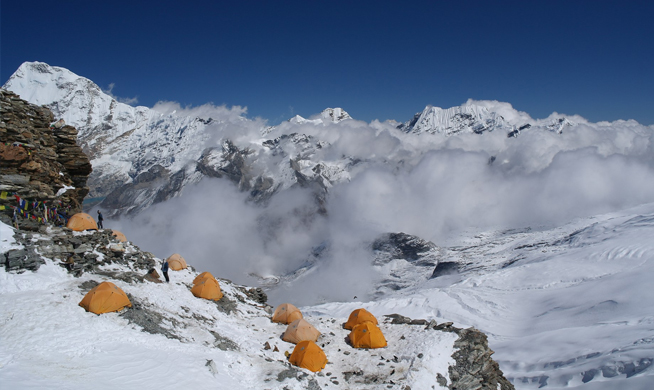
Today is comparatively short, with a challenging ascent to the High Camp. You’ll pass through snow slopes that require careful rope work and attention. With careful guidance from guides, you’ll reach the High Camp. Throughout the trail, you’ll get stunning views of Kanchenjunga, Makalu, and other Himalayan giants. You’ll rest for the evening and prepare for the summit tomorrow.
Altitude
High Camp: 5,650 meters Summit: 6,461 meters Descent to Khare: 4,659 meters
Meal
Breakfast, Lunch, Dinner
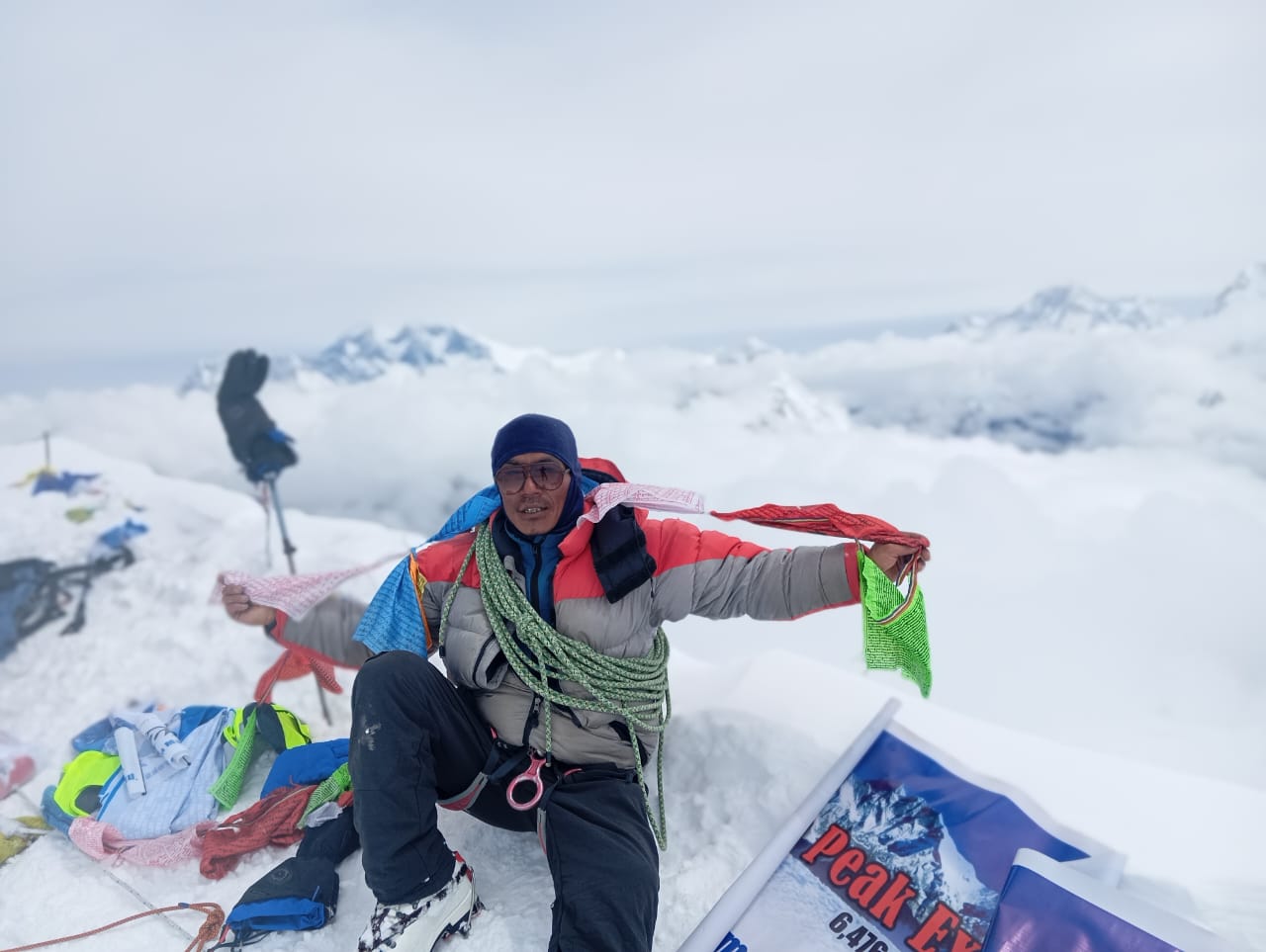
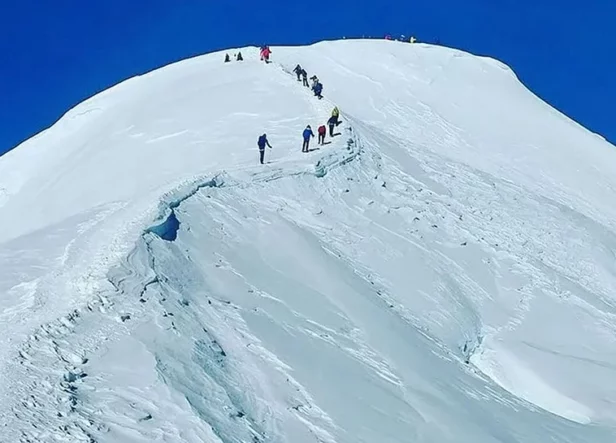
The day begins early in the morning, around 2 Am, as you ascend under the twinkling stars and headlamps. This time of the day is perfect for an ascent push as weather conditions are stable. You’ll cross steep snow slopes and pass through crevasses. Reaching the summit requires technical climbing skills and determination. From the summit, enjoy once-in-a-lifetime panoramic views of five 8,000m peaks: Everest, Lhotse, Cho Oyu, Makalu, and Kanchenjunga. After the celebration and photos, descend carefully to Khare for a well-deserved rest.
Meal
Breakfast, Lunch, Dinner
Day 11 is your buffer day, accounting for unexpected weather conditions, as the Himalayas are known for their unpredictable nature. You can also use this day as an additional rest day or for a relaxed descent schedule.
Altitude
Descent from 4,659m to 4,180m
Meal
Breakfast, Lunch, Dinner
Begin your descent with renewed energy and sweet memories of the ascent. Descend through familiar terrain but with a unique perspective. Reach Kote and rest for the Night.
Altitude
4,310 meters
Meal
Breakfast, Lunch, Dinner
From Kote, you’ll join the trail to Thuli Kharka. You will experience varied terrain as you witness the final views of the Hinku Valley and surrounding peaks. Reach Thuli Kharka and Spend the Night
Altitude
Descent to 2,840 meters
Meal
Breakfast, Lunch, Dinner
As you walk the final steps on the trail, thank the Himalayas for such a wonderful time. Reflect on your journey and experience the serene terrain for one last time. Descend back to Lukla and celebrate this win with the team.
Meal
Breakfast
Join us for a scenic morning flight back to Kathmandu. The Kathmandu-Lukla flight is known for providing stunning aerial views of the Himalayan range. Spend the day resting and shopping for souvenirs. Roam around the streets of Thamel and enjoy the evening.
Meal
Breakfast
The moments of goodbye are always challenging. After a last hearty breakfast, our team will drop you off at the Tribhuvan International Airport. Our team will always cherish this heartwarming experience made together. Thank you for choosing Always Himalayas.
Mera peak climbing
Mera Peak Climbing – Fixed Group Departure 2026 Are you ready for an unforgettable Himalayan adventure? We're organizing a fixed group departure for mera Peak (6476m) in the Everest region for the 2026 season. If you're interested in joining, feel free to contact me .I’ll make sure your holiday comfortable, enjoyable and memorable.
| Start | Finish | Availability | Price | |
|---|---|---|---|---|
| October 4 04/03/2026 | October 19 19/03/2026 | Trip Status guaranteed | Starting from $2550 $2448 | Book Now |
| November 7 07/10/2026 | November 22 22/04/2026 | Trip Status guaranteed | Starting from $2550 $2448 | Book Now |
| December 4 04/12/2026 | December 19 19/12/2026 | Trip Status guaranteed | Starting from $2550 $2448 | Book Now |
Cost Includes
- Airport pick-up and drop-off service, by private vehicles.
- Three nights' hotel accommodation in Kathmandu with BB plan
- Transportation includes -airport transfer
- Three meals per day during the trek (breakfast, lunch, and dinner), along with one cup of tea or coffee per meal.you can choose only one items per meal.
- Seasonal fresh fruits will be provided every night after dinner
- Accommodation will be in tea houses during the trek, with basic twin-sharing rooms
- An experience English Speaking trained, Government license Holder Guide
- Porter, we assign one porter for every two trekkers, a porter typically carries 20 to 25 kg
- An extra assistant guide is provided for groups with more than 6 participants
- All applicable taxes as per government rules and regulations
- First Aid medical kit, Oxy-mGuide and porter salary, food, accommodation and insurance during the treketer to check pulse, heart rate and oxygen saturation at higher altitude (Very useful to check Altitude Mountain Sickness (AMS) symptoms)
- Guide and porter salary, food, accommodation and insurance during the trek
- If you need a duffel bag to pack your trekking gear, we provide one free of charge as a souvenir.
- Lukla Flight Baggage Allowance: 10 kg of checked baggage + 5 kg of hand carry per person. A maximum of 15 kg is allowed per person, excess baggage is not permitted.
- Kathmandu–Lukla flights are included for both the outbound and return journeys. However, from September onward, flights to and from Lukla may operate via Ramechhap Airport instead of Kathmandu Airport.
- Climbing permit,national park entry fee,khumbu pasnag lemu gaupalika permit,climbing guide insurance and all necessary official documents for trekking
- Farewell dinner with traditional Nepali music and cultural dance will be held at a local restaurant
Cost Excludes
- Nepal entry visa fee $50 USD for 30 days visa on arrival.
- Lunch and dinner in Kathmandu
- Extra night hotel accommodation in Kathmandu than itinerary as well as extra trekking days
- Travel insurance and Mountain rescue service (covers emergency Rescue and Evacuation)
- Personal nature expenses (phone, laundry, water, bar drinks, battery recharge, donations, shopping, extra porters, hot shower etc.)
- Entrance fees for Kathmandu Valley sightseeing that cost as well as monasteries and monuments during the trek
- Tips to Trekking staff (Tips is expected)
- Any other expenses that aren’t mentioned in the section above
Equipment
General
- Puffy down jacket (We have rental jackets available for rent
- Four-season (zero degree) sleeping bag (We have rental sleeping bags available form an additional cost
- Daypack (35-45 liters recommended) with rain cover
- Sleeping bag liner
Upper Body
- Sun hat or cap
- Knitted hat/Beanie
- Scarf or neck gaiter
- Headlamp
- Sunglasses
Torso
- Technical fabric base layer (light for warmer months, heavy for colder months)
- Technical fabric short (2) and long sleeve (2) shirts
- Waterproof, windproof shell
- Fleece jacket or pullover
Lower Body
- Technical fabric base layer (light for warmer months, heavy for colder months)
- Hiking pants (2)
- Comfortable pants for inside the teahouses
- Waterproof/windproof outer shell pants
- Hiking shorts
Hands
- Wool or technical fabric liner gloves
- Hard-shell outer gloves (insulated for colder months)
Feet
- Wool or technical fabric warm socks
- Hiking socks
- Liner socks (optional such as silk)
- Trekking/hiking boots (waterproof recommended)
- Ice Cleats /Micro Spikes (For trekking from November to March, it's recommended to include Ice Cleats/ Micro Spikes to prevent slipping on icy or wet surfaces.)
- Casual shoes
- Gaiters (lightweight for dust or heavy for snow in colder months)
Undergarments
- Technical fabric/quick drying is best for underwear (opportunities to launder during the trip)
- Sports bras (women)
- Pajamas or sleeping clothes
Optional
- Power bank or extra batteries
- Cameras and mobile phone
- Cards/book
Peak climbing gear
- Climbing boot
- Crampons and harness
- Hiking boot,slippers
- Carabiners 4 pes (2 lock 2 onlock)
- Ascending device jumar
- Descending device ACT and figure of 8
- Helmet ,ice axe and sleeping bag
- Hiking sucks and warm wool sucks
- Warm expedition gloves and thin treking gloves
- Wind proof pant and jacket
- downsuit,expedition bag 50 ltrs for more then 7000 mt
- expedition down jacket for more then 7000 mt
Mera Peak Climbing FAQ'S
General
Always Himalaya Trek has been a trusted trekking and travel company in Nepal since 2010, known for its experienced local guides, strong commitment to safety, carefully crafted trekking itineraries, and exceptional customer service. Based in Kathmandu, we specialize in delivering authentic Himalayan adventures, cultural tours, and unforgettable trekking experiences across Nepal, Tibet, and Bhutan.
Over the years, we have earned the trust of thousands of travelers from around the world by providing reliable, professional, and personalized travel services. Whether you are planning a challenging mountain expedition, a scenic trekking journey, or a cultural exploration, our dedicated team ensures every detail is handled with care and expertise.
To complete your booking and prepare for your trek, you may be required to provide the following documents:
- A clear copy of your passport (valid for at least six months from your arrival date).
- Recent passport-sized photographs for trekking permits.
- Travel insurance details that cover high-altitude trekking and emergency evacuation.
- Arrival and departure flight information (if available).
- Completed booking and personal information forms.
- Emergency contact details.
For certain trekking peaks, expeditions, or restricted-area treks, additional permits and supporting documents may be required. Our team will inform you in advance if any extra documentation is needed for your chosen adventure.
Yes, our guides are able to communicate in English and assist international travelers throughout their journey. Most of our guides begin their careers as porters and gain several years of trekking experience before becoming licensed trekking guides. Through years of working with travelers from around the world, they develop strong practical English communication skills.
While English is not their native language, they can effectively provide trekking information, explain local culture, coordinate logistics, and assist with any concerns along the route. They also help bridge communication gaps, as many local teahouse owners, shopkeepers, and residents in remote trekking regions may have limited English proficiency.
Yes, all of our climbing guides are professionally trained, government-licensed, and highly experienced in high-altitude mountaineering. They have successfully guided numerous climbers on Mera Peak and are familiar with every aspect of the route, including trail conditions, acclimatization schedules, and summit-day challenges.
Our guides receive regular training in mountain safety, first aid, altitude sickness awareness, and rescue procedures. Their extensive experience on Mera Peak allows them to provide expert guidance, ensure your safety, and help maximize your chances of a successful and enjoyable summit experience.
Weather and Temperature
Spring (March-May) and autumn (September-November) are the best seasons due to stable weather and clear mountain views.
Summit temperatures can drop below -15°C to -20°C, especially during the night and early morning.
Yes, snowfall is common at higher elevations throughout the year.
Yes, strong winds, snowfall, and poor visibility may delay or cancel summit attempts.
At Always Himalaya, we are committed to giving back to the communities that support tourism in Nepal. Through our partnership with Sambhav Nepal, we provide logistical assistance and, when necessary, financial support for various community-based projects. Together, we also help develop volunteer programs that allow international volunteers to share their time, skills, and energy in meaningful local initiatives.
We strongly follow the principles of sustainability and responsible tourism. As a company dedicated to ethical travel practices, we ensure our journeys are socially and environmentally responsible, minimizing negative impact while respecting the fragile Himalayan ecosystem and local cultures.
A major part of our commitment is our local involvement—around 80% of our staff come from the regions where our trips operate. This helps us directly support local livelihoods, promote small businesses, and preserve traditional culture and heritage. By traveling with Always Himalaya, you are not only exploring Nepal but also contributing to sustainable community development.
Arrival and Visas
Most travelers can obtain a tourist visa upon arrival at Kathmandu Airport.
Tourist visas are available for 15, 30, and 90 days.
The journey begins in Kathmandu, the capital city of Nepal.
Payments and Extra Costs
ATMs are widely available across the city, particularly in places like Thamel, Lazimpat, Durbar Marg, and around major banks. Most international debit and credit cards (Visa and MasterCard) work in these ATMs. However, many machines have a withdrawal limit per transaction (often NPR 10,000–35,000), and foreign card fees may apply.
Money exchange services are also easy to find. You’ll see licensed money exchange counters in Thamel and around the airport, offering competitive rates for major currencies like USD, EUR, and GBP. Rates in the city are usually better than at the airport.
A few tips:
- Carry some cash (USD or EUR) for exchange if possible.
- Always use authorized exchange counters or bank ATMs.
- Keep some Nepali rupees in small notes for taxis, shops, and local areas.
- Inform your bank before traveling to avoid card blocks.
Who Can Trek
There is no fixed age limit, but participants should be physically fit and healthy.
Yes, many first-time trekkers successfully complete Mera Peak with proper preparation.
Yes, many experienced trekkers in their 50s and 60s complete the climb successfully.
Previous experience is helpful but not mandatory.
Physical Fitness
A good level of cardiovascular fitness and endurance is recommended.
Regular hiking, running, cycling, and strength training are beneficial.
Yes, altitude is often the biggest challenge during the expedition.
Most trekking days involve 4 to 8 hours of walking.
Trek Preparation and Packing
Waterproof trekking boots with ankle support are highly recommended.
Yes, equipment such as crampons, harnesses, and ice axes are required for summit day.
Yes, most climbing gear can be rented in Kathmandu.
Layered clothing, a down jacket, gloves, thermal wear, and waterproof gear are essential.
Accommodation
Accommodation is mainly in local teahouses, with tented camps near high camp.
Private rooms may be available at lower elevations but are limited at higher altitudes.
Electricity is available in most villages but may require an additional charge.
Hot showers are available in many teahouses for an extra fee.
Health and Safety
Yes, altitude sickness is a common concern during high-altitude climbs.
The itinerary includes acclimatization days to help your body adjust.
Yes, professional guides are trained to handle altitude-related issues and emergencies.
Emergency evacuation can be arranged if necessary, usually by helicopter.
Practical Matters
A cancellation notice must be provided at least 20 days before the trip departure date. Cancellations are accepted only for valid and justifiable reasons.
If the trip is canceled within the allowed notice period, 30% of the total trip cost will be retained to cover administrative expenses.
If cancellation is not made at least 20 days prior to the departure date, the booking will be considered non-refundable in full, in accordance with our terms and conditions.
In the case of cancellation, we can provide necessary documentation, such as a receipt of payment, to support your insurance claim process. However, no refunds will be issued for unused services, including accommodation, in situations where the cancellation is due to personal reasons, illness, or weather conditions.
For more detailed information, please refer to our Terms and Conditions page.
You can extend your trekking trip with an additional cost, depending on availability and feasibility. If you request an extension, we will try to make suitable arrangements based on your guide’s recommendation and schedule.
For private or solo treks, the itinerary can usually be adjusted more flexibly. However, for group treks, any changes or additional days must be discussed and agreed upon with the entire group and guide, as the schedule is fixed.
We recommend communicating any extension plans as early as possible so that the best possible arrangements can be made.
Transportation and Flights
Customer Reviews
Best Trekking experience in my life Oct 2025 • Friends I did the Mera Peak trek with Always Himalaya Trek and it was an amazing experience. From the start, everything felt very personal and well orgRead more
Conal higney
united kingdom