Trip Facts
Duration
3 Days
Max. Altitude:
6145 m
Group size
2-10+(Costmizable)
Best Time for Visit
March to May and September to November
Activity
Trekking / Climbing
Meals
Breakfast, Lunch, and Dinner
DIFFICULTY
Adventures
LOCATION
Labouche East Peak
Trip Ends
Kathmandu,Nepal
Highlights of Labouche East Peak Climbing from Labouche
- Short and exciting 3-day Himalayan climbing adventure
- Perfect for trekkers who want to try peak climbing in less time
- Summit of 6,119 meters with amazing mountain views
- Stunning views of Mount Everest, Lhotse, Nuptse, and Ama Dablam
- Start directly from Lobuche village on the Everest Base Camp trail
- Experience real mountaineering with basic climbing techniques
- Use of climbing gear like crampons, ropes, and ice axes
- Early morning summit climb with beautiful sunrise views
- Best for spring and autumn seasons
Labouche East Peak Climbing from Labouche Overview
Lobuche East Peak Climbing from Lobuche is one of the best short Himalayan adventures in Nepal. This 3-day climbing trip is perfect for trekkers who want to experience real peak climbing in a short time. The peak stands at an altitude of 6,119 meters and offers stunning views of the Everest region.
This climb is ideal for those who are already trekking in the Everest region. Many trekkers choose Lobuche East Peak Climbing from Lobuche after completing the Everest Base Camp trek or visiting Kala Patthar. It is a great way to add a climbing experience without needing many extra days.
With Always Himalaya Trek, your journey becomes safe, well-organized, and memorable. The team provides experienced guides, proper climbing support, and a friendly environment throughout the trip.
Starting Point: Lobuche Village
About Lobuche Village
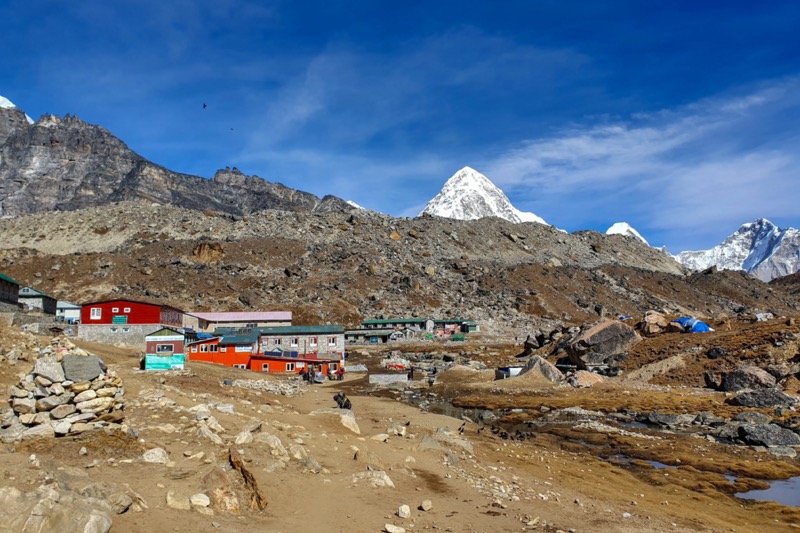
Lobuche East Peak Climbing starts from Lobuche village, which lies at around 4,940 meters. It is a small settlement located along the Everest Base Camp trail. Most trekkers reach Lobuche after several days of trekking, so they are already used to the altitude. Lobuche is surrounded by beautiful snow-covered mountains. The peaceful environment and stunning views make it a perfect place to begin your climbing journey.
Importance of Acclimatization
Before starting Lobuche East Peak Climbing from Lobuche, proper acclimatization is very important. Since the altitude is high, your body needs time to adjust. This helps reduce the risk of altitude sickness. Trekkers are advised to drink enough water, eat well, and rest properly before moving to High Camp.
Lobuche to High Camp
Trail Description
The trek from Lobuche to High Camp is short but challenging. The trail goes through rocky paths, steep slopes, and glacial areas. During Lobuche East Peak Climbing from Lobuche, this part of the journey requires slow and steady walking. The altitude makes breathing difficult, so it is important to maintain a comfortable pace.
Scenic Mountain Views
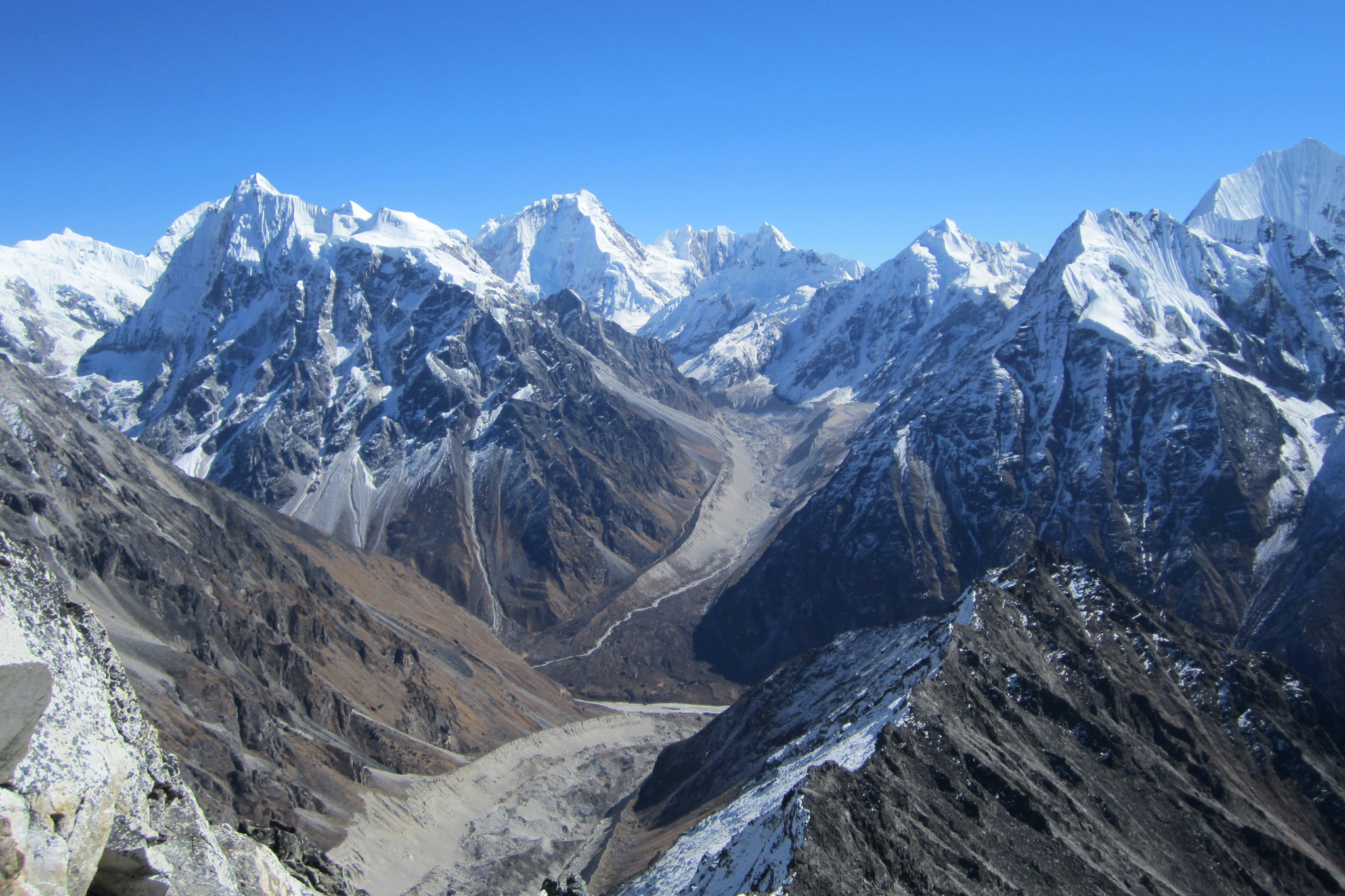
One of the best parts of Lobuche East Peak Climbing from Lobuche is the amazing mountain views. Along the way, you can see famous peaks like Mount Everest, Lhotse, Nuptse, Ama Dablam, and Pumori. These views make the journey more enjoyable and unforgettable.
Arrival at High Camp
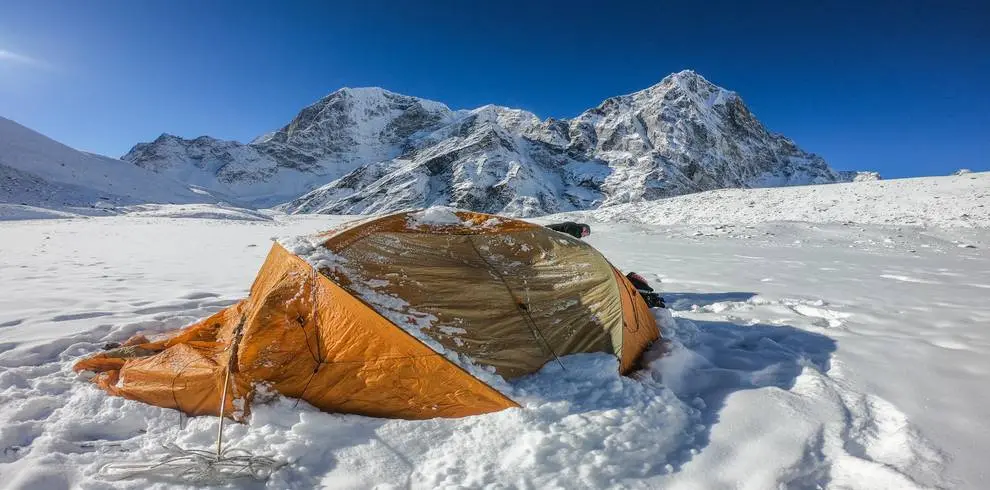
After reaching High Camp, climbers rest and prepare for the summit. The camp is set up in an open area with stunning Himalayan views. This is where the real climbing adventure begins.
Climbing Preparation
Basic Training by Guides
Before the summit, guides from Always Himalaya Trek provide basic training. This includes how to use climbing gear like:
- Crampons
- Ice axes
- Ropes
- Harnesses
This training is very helpful, especially for beginners doing Lobuche East Peak Climbing from Lobuche.
Safety Briefing
Guides also explain safety rules and climbing techniques. You will learn how to walk on snow, use fixed ropes, and stay safe in difficult sections. With proper guidance, climbers feel more confident and prepared.
Summit Day Experience
Early Morning Start
The summit day is the most important part of Lobuche East Peak Climbing from Lobuche. Climbers usually start around midnight or 1 AM. Starting early helps avoid strong winds and gives enough time to reach the summit safely.
Climbing Route
The route includes steep snow slopes and icy sections. Fixed ropes are used in technical parts to ensure safety. Climbers move slowly and carefully. Due to high altitude, breathing becomes harder, so regular breaks are important.
Reaching the Summit
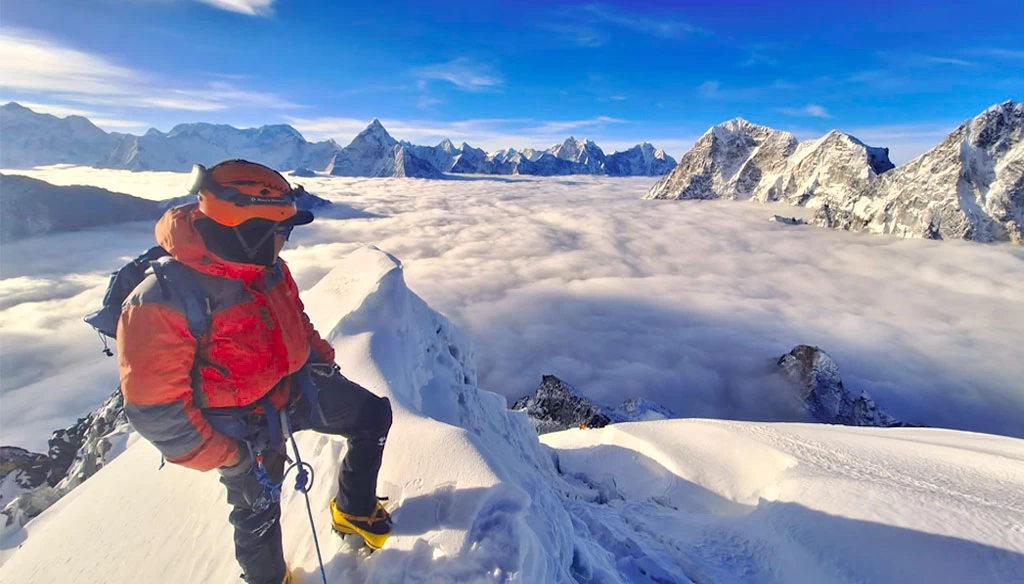
Reaching the summit of Lobuche East Peak Climbing from Lobuche is a proud and emotional moment. From the top, you can see a 360-degree view of the Himalayas. Mount Everest, Lhotse, Nuptse, Ama Dablam, and many other peaks look amazing from the summit. The sunrise view is truly unforgettable.
Descent Back to Lobuche
After spending some time at the top, climbers descend carefully back to High Camp and then return to Lobuche. The descent is easier but still requires attention.
Difficulty Level
Moderate Climbing Experience
Lobuche East Peak Climbing from Lobuche is considered a moderate-level climb. It is suitable for trekkers with good physical fitness. You do not need advanced climbing skills, but basic knowledge and training are helpful.
Main Challenges
The main challenges during Lobuche East Peak Climbing from Lobuche include:
- High altitude
- Cold weather
- Long climbing hours
- Steep and icy trails
With proper preparation and support, these challenges can be managed.
Best Season
Spring Season (March to May)
Spring is one of the best times for Lobuche East Peak Climbing from Lobuche. The weather is stable, and the views are clear. The temperature is also more comfortable.
Autumn Season (September to November)
Autumn is another ideal season. The skies are clear, and the mountain views are sharp and beautiful. This is the most popular time for climbing.
Off Seasons
Winter and monsoon are not recommended for Lobuche East Peak Climbing from Lobuche due to extreme cold, heavy snowfall, and poor visibility.
Safety and Support
Safety is very important during Lobuche East Peak Climbing from Lobuche. Some important tips include:
- Walk slowly
- Stay hydrated
- Eat properly
- Listen to your body
With Always Himalaya Trek, you get experienced guides and a professional team. They ensure your safety and help you throughout the journey. They also carry necessary equipment and provide support in case of any problem.
Why Choose Always Himalaya Trek
Choosing Always Himalaya Trek for your Lobuche East Peak Climbing from Lobuche ensures a safe, well-organized, and memorable Himalayan adventure. With years of experience in the Everest region, their team of professional guides knows the trails, weather patterns, and climbing challenges in detail. They provide full support from the start, including pre-climbing training, proper equipment, and personalized guidance, making even moderate-level climbs comfortable and enjoyable for all trekkers.
Apart from safety and technical support, Always Himalaya Trek focuses on creating a rewarding experience for every climber. They handle all logistics, including accommodation, meals, permits, and trekking arrangements, so you can focus entirely on the adventure. Their friendly and experienced team ensures you get the best Himalayan views, cultural experiences, and summit success, making your Lobuche East Peak Climbing from Lobuche journey truly unforgettable.
Itinenary of Labouche East Peak Climbing from Labouche
On the first day of Lobuche East Peak Climbing from Lobuche, climbers arrive at Labouche, located at 4920 meters in the Everest region. Here, you meet your experienced climbing guide from Always Himalaya Trek, who will explain the climbing plan, safety instructions, and gear requirements. This day is mainly for rest and acclimatization to the high altitude, helping your body adjust and prepare for the climb ahead. The calm surroundings and spectacular mountain views make Chhukung a perfect starting point for your adventure.
On the second day, trekkers begin the climb from labouche to labouche Peak Base Camp at 5,400 meters. The trail passes through rocky paths and glacial landscapes, offering breathtaking views of the surrounding peaks, including Lhotse, Nuptse, and Ama Dablam. Once at Base Camp, climbers receive pre-climbing training from the guides, learning essential skills such as using crampons, ice axes, ropes, and harnesses. This preparation ensures that everyone attempting the summit on the next day is confident, safe, and ready for the challenging ascent.
The third day is the most thrilling and challenging part of Lobuche East Peak Climbing from Lobuche. Climbers start very early, usually around midnight, from Base Camp to push for the summit of Lobuche East Peak at 6,189 meters. The climb involves steep snow slopes, icy sections, and some fixed ropes, requiring careful attention and steady pacing. Reaching the summit is an unforgettable experience, with stunning 360-degree views of Mount Everest, Lhotse, Nuptse, Ama Dablam, and other Himalayan peaks. After enjoying the summit, climbers carefully descend back to Base Camp, and finally return to , celebrating their successful climb. Accommodation during the climb includes teahouses at Thukla and tented camps at Base Camp, with meals provided to keep energy levels high.
What’s Included is Labouche East Peak Climbing from Labouche
- Pre-trip meeting in Kathmandu
- Pre-climbing training at Lobuche Base Camp
- Kitchen Equipment, Trekking tents, Dining tents, Kitchen Tents, Toilet Tents, Table and chairs, and Mattresses for Lobuche Base Camp
- Personal climbing Gear per person such as Crampons, Harness, Ice Axe, Screw gate, Carabiners
- Professional Climbing Guide From Lobuche to Lobuche
- Personal insurance, Food, accommodation, and equipment for our staff
- Climbing peak permit, Garbage deposit fees, and other necessary fees
- Packed Lunch for summit day
- Achievement certificate (if you want)
- All our services charge government taxes
What’s Excluded of Labouche East Peak Climbing from Labouche
- Personal Insurance for travel to Nepal (Compulsory)
- Sleeping bag, down Jacket (you can rent in Lobuche)
- Personal expenses such as all kinds of drinks, snacks or energy bars, hot showers, internet, donations, tips, etc...
- Accommodation and meals in Lobuche
- Porter services to carry your personal or climbing gears
Equipment
General
- Puffy down jacket (We have rental jackets available for rent
- Four-season (zero degree) sleeping bag (We have rental sleeping bags available form an additional cost
- Daypack (35-45 liters recommended) with rain cover
- Sleeping bag liner
Upper Body
- Sun hat or cap
- Knitted hat/Beanie
- Scarf or neck gaiter
- Headlamp
- Sunglasses
Torso
- Technical fabric base layer (light for warmer months, heavy for colder months)
- Technical fabric short (2) and long sleeve (2) shirts
- Waterproof, windproof shell
- Fleece jacket or pullover
Lower Body
- Technical fabric base layer (light for warmer months, heavy for colder months)
- Hiking pants (2)
- Comfortable pants for inside the teahouses
- Waterproof/windproof outer shell pants
- Hiking shorts
Hands
- Wool or technical fabric liner gloves
- Hard-shell outer gloves (insulated for colder months)
Feet
- Wool or technical fabric warm socks
- Hiking socks
- Liner socks (optional such as silk)
- Trekking/hiking boots (waterproof recommended)
- Ice Cleats /Micro Spikes (For trekking from November to March, it's recommended to include Ice Cleats/ Micro Spikes to prevent slipping on icy or wet surfaces.)
- Casual shoes
- Gaiters (lightweight for dust or heavy for snow in colder months)
Undergarments
- Technical fabric/quick drying is best for underwear (opportunities to launder during the trip)
- Sports bras (women)
- Pajamas or sleeping clothes
Optional
- Power bank or extra batteries
- Cameras and mobile phone
- Cards/book
Peak climbing gear
- Climbing boot
- Crampons and harness
- Hiking boot,slippers
- Carabiners 4 pes (2 lock 2 onlock)
- Ascending device jumar
- Descending device ACT and figure of 8
- Helmet ,ice axe and sleeping bag
- Hiking sucks and warm wool sucks
- Warm expedition gloves and thin treking gloves
- Wind proof pant and jacket
- downsuit,expedition bag 50 ltrs for more then 7000 mt
- expedition down jacket for more then 7000 mt
Customer Reviews
Exprince Trek guide help to safe travel Mar 2026 • Friends It was grate experience with always Himalaya trek,Mr. Sitaram Karki and Mr. Kumar rai, they are well organized and informed, which is help Read more
Santa U
Nepal
Best Trekking experience in my life Oct 2025 • Friends I did the Mera Peak trek with Always Himalaya Trek and it was an amazing experience. From the start, everything felt very personal and well orgRead more
Conal higney
united kingdom
Best Trekking company I have been on 3 treks with Sitaram; Langtang, Annapurna Circuit, and Mera Peak, all of which have been amazing. My most recent Trek was to the top of Mera Peak, the higheRead more
Gerard Melly
Ireland